


Table of Contents
Among the most popular choices of freshwater shrimp, Ghost Shrimp and Amano Shrimp are both celebrated for their charm and unique contributions to the tank ecosystem. But how do these two fascinating species stack up against each other? In this article, we’ll delve into the key differences between Ghost Shrimp and Amano Shrimp, illuminating their distinct characteristics, care requirements, and behaviors. Join us as we uncover everything you need to know about these adorable shrimp, ensuring your aquarium is not just beautiful, but also well-balanced and thriving!
Ghost Shrimp Overview
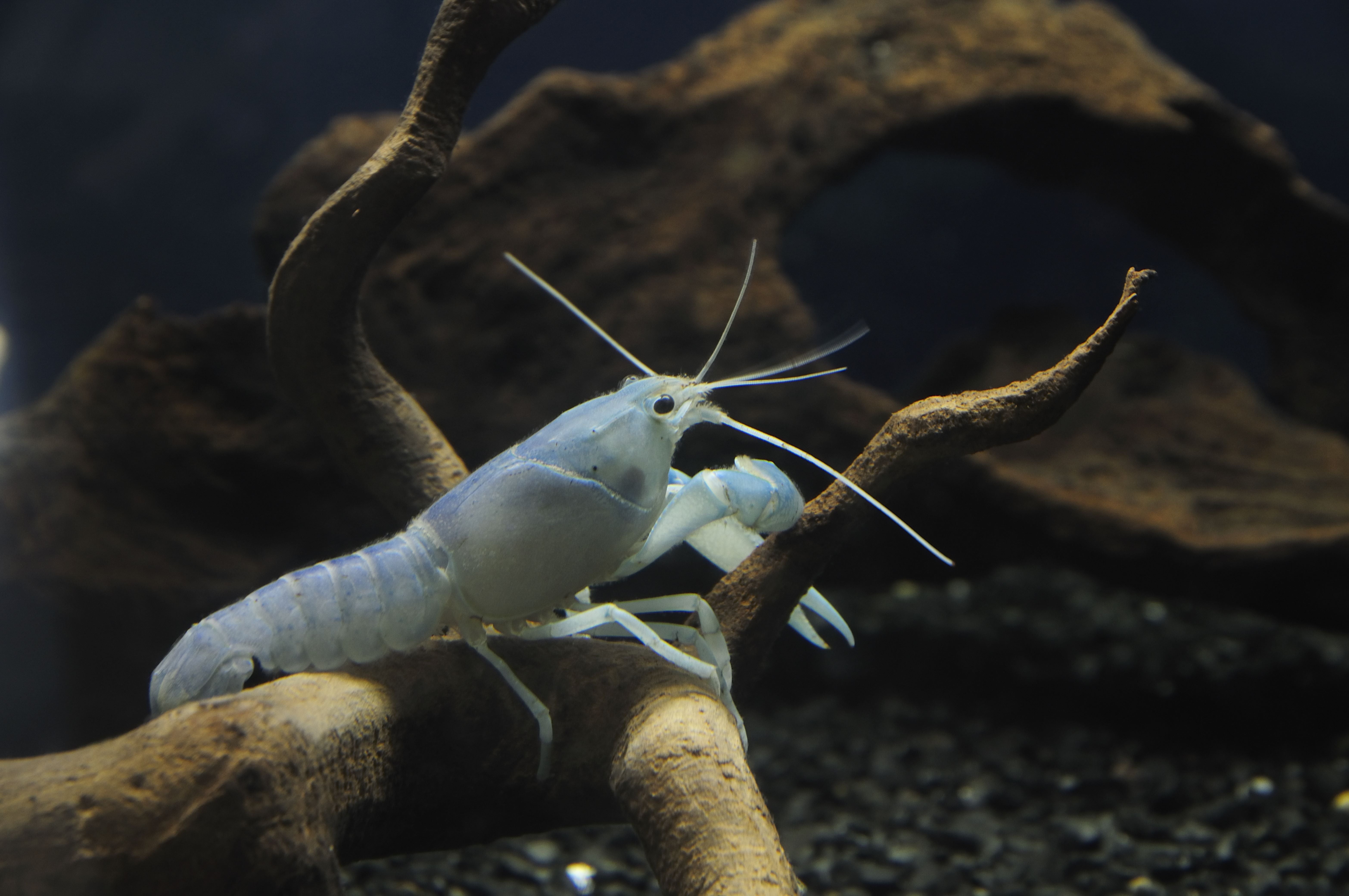
Ghost Shrimp (Palaemonetes paludosus), also known as Glass Shrimp, are small, transparent freshwater shrimp commonly kept in community tanks. Their clear bodies reveal internal organs, giving them a unique, almost glowing appearance. Ghost Shrimp are very affordable, easy to find, and well known for their scavenging habits. They pick up leftover foods, graze on detritus, and help keep the aquarium floor clean.
Because of their low cost and high availability, they are often introduced to tanks as cleanup crew members. However, Ghost Shrimp are more delicate and shorter-lived than other freshwater shrimp species, making them better suited for beginner-level experimentation or temporary algae control rather than long-term display.

Amano Shrimp Overview
Amano Shrimp (Caridina multidentata) are one of the most popular algae-eating shrimp in the aquarium trade. Known for their hardworking nature and remarkable algae-cleaning abilities, Amano Shrimp are highly valued by aquascapers and planted tank owners. Their bodies are semi-transparent with grey, green, or brown tones, often displaying dotted patterns along their sides.
Unlike Ghost Shrimp, Amano Shrimp are more robust, longer-lived, and far more effective at cleaning algae, especially hair algae and leftover food. Their peaceful temperament and strong survival rate make these Caridinia shrimp a favorite in shrimp communities and heavily planted aquariums.

Physical Appearance Differences
Ghost Shrimp
Ghost Shrimp are almost completely transparent, earning them names like Glass Shrimp. Their see-through bodies make them fascinating to observe, especially during feeding or molting. They remain smaller, typically around 1–1.5 inches, with a very lightweight and delicate frame.
Amano Shrimp
Amano Shrimp have a thicker, sturdier appearance. Their bodies are semi-transparent but decorated with small dots or dashes along their sides. Their coloration ranges from grey to light brown, sometimes with a greenish tint depending on diet. Amanos look more solid and structured compared to the delicate glass shrimp look of Ghost Shrimp.
Behavioral Differences
Ghost Shrimp
Ghost Shrimp are active scavengers, often racing around the substrate looking for leftover food. They are slightly more unpredictable. Some Ghost Shrimp can become nippy when hungry, especially in crowded tanks. While generally peaceful, they may show opportunistic behavior toward very small fry or weak tank mates.
Amano Shrimp
Amano Shrimp are calm, peaceful, and highly social. They spend most of their time grazing on algae, cleaning plant leaves, and exploring driftwood. Unlike Ghost Shrimp, they are rarely aggressive and tend to retreat rather than confront. Their consistent and predictable behavior makes them ideal for planted tanks and community aquariums.
Care Requirement Differences
When comparing Amano vs Ghost Shrimp, Amano Shrimp generally require more stable water parameters, consistent, clean water, and perform best in established tanks, while Ghost Shrimp tolerate slightly wider ranges, which makes them more flexible and beginner-friendly.
Ghost Shrimp Care
- Temperature: 68–78°F
- pH: 6.5–8.0
- Hardy, but sensitive to copper and poor water quality
- Can adapt to less-than-perfect tank conditions
Amano Shrimp Care
- Temperature: 70–80°F
- pH: 6.5–7.8
- Extremely sensitive to ammonia and nitrite
- Thrive in stable, mature aquariums
Visit here to learn more about How to Care for Amano Shrimp.
Breeding Differences
Ghost Shrimp Breeding
Breeding Ghost Shrimp is extremely easy:
- They breed in freshwater
- Females carry green eggs under their abdomen
- Fry hatch and grow quickly
- No special setup required
Many aquarists unintentionally breed Ghost Shrimp simply by keeping males and females together.
Amano Shrimp Breeding
Breeding Amano Shrimp is difficult because:
- They cannot complete their life cycle in freshwater
- Larvae require brackish to saltwater
- The transformation process must be carefully timed
This means nearly all Amano Shrimp in the trade are wild-caught or farmed under specialized conditions.
Expected Lifespan
- Ghost Shrimp: 1 year on average, sometimes less depending on quality and care.
- Amano Shrimp: 2–5 years with excellent care, making them better long-term additions to your aquarium.
Amano Shrimp live significantly longer and provide more stable algae control over time.
Conclusion
When comparing Ghost Shrimp vs Amano Shrimp, both species bring unique benefits, but your choice depends on your goals. If you want inexpensive, easy-to-breed shrimp for light cleaning, Ghost Shrimp (Glass Shrimp) are a great option. But if you’re building a planted tank and want powerful algae eaters with long lifespans and peaceful behavior, Amano Shrimp are the superior choice. Both shrimp can be beautiful, rewarding additions. Just choose based on your tank size, experience level, and aquascaping goals.
At Splashy Fish, besides Ghost shrimp for sale and Amano shrimp for sale, we also offer other freshwater shrimp for sale with the highest quality. Visit our website to buy them online or at our fish store in Virginia for more freshwater fish for sale, invertebrates for sale, aquatic plants for sale, and aquarium supplies.
Frequently Asked Questions (FAQs)
Can Amano shrimp and Ghost shrimp live together?
Yes, Amano Shrimp and Ghost Shrimp can live together as long as the tank is peaceful and stable. Provide hiding places to reduce stress and ensure both species have access to food. Avoid aggressive fish to prevent shrimp injury or predation.
Which is easier to care for between the Amano shrimp vs Ghost shrimp?
Ghost Shrimp are generally easier to care for because they tolerate wider water parameters and adapt well to various tank conditions. Amano Shrimp require mature, stable aquariums with excellent water quality. For beginners, Ghost Shrimp are the more forgiving choice.
Which is the best shrimp in algae control between the Amano shrimp and Ghost shrimp?
Amano Shrimp are significantly better algae eaters than Ghost Shrimp. They consume hair algae, leftover food, diatoms, and biofilm far more effectively. If your goal is algae control, Amano Shrimp are the clear winner.