


Table of Contents
If you want a freshwater fish that looks truly different from the usual Tetras and Rasboras, Hatchetfish are a standout choice. With their unique “hatchet-shaped” bodies and surface-skimming behavior, freshwater hatchetfish bring life to the very top layer of the aquarium, an area many tanks don’t fully use. They’re peaceful, fascinating to watch, and surprisingly social when kept correctly. But there’s one important detail that defines successful hatchetfish care: they are famous jumpers, and their environment must be designed with that in mind. This guide covers everything you need to keep a thriving hatchetfish aquarium, including tank setup, diet, breeding basics, tank mates, and the best aquatic plants for a safe, natural surface habitat.
Overview of Hatchetfish
Hatchetfish are small freshwater fish from South America, known for their distinct body shape: a deep, muscular chest with a slimmer back end, creating the classic “hatchet” profile. This body structure supports their surface lifestyle and their ability to jump, something they use in the wild to escape predators and grab insects near the water’s surface.
In aquariums, hatchetfish spend most of their time near the top of the tank. They are schooling fish and feel most secure in groups, often gliding quietly under floating plants or shaded areas. While they’re generally hardy once settled, hatchetfish can be shy at first and may hide or refuse food if the tank is too bright, too open, or too noisy.

Common Types of Hatchetfish
Several hatchetfish species are commonly kept in home aquariums, and while overall hatchetfish care is similar, they can differ in adult size, markings, and how well they adapt to community tanks.
- Marbled Hatchetfish (Carnegiella strigata): the most popular “classic” hatchet fish with mottled/marbled markings.
- Silver Hatchetfish (Gasteropelecus levis): larger species with a cleaner, silver body and strong surface-swimming behavior.
- Common Hatchetfish (Gasteropelecus sternicla): another larger, widely sold hatchetfish, often confused with Silver Hatchetfish in stores.
- Blackwing Hatchetfish (Carnegiella marthae): smaller hatchetfish with darker fin edging (“black wings”) and a more delicate look.
- Dwarf Hatchetfish (Carnegiella myersi): one of the smallest hatchetfish species; best in calm, well-covered tanks.
Set Up An Ideal Aquarium for Hatchetfish
Tank Size
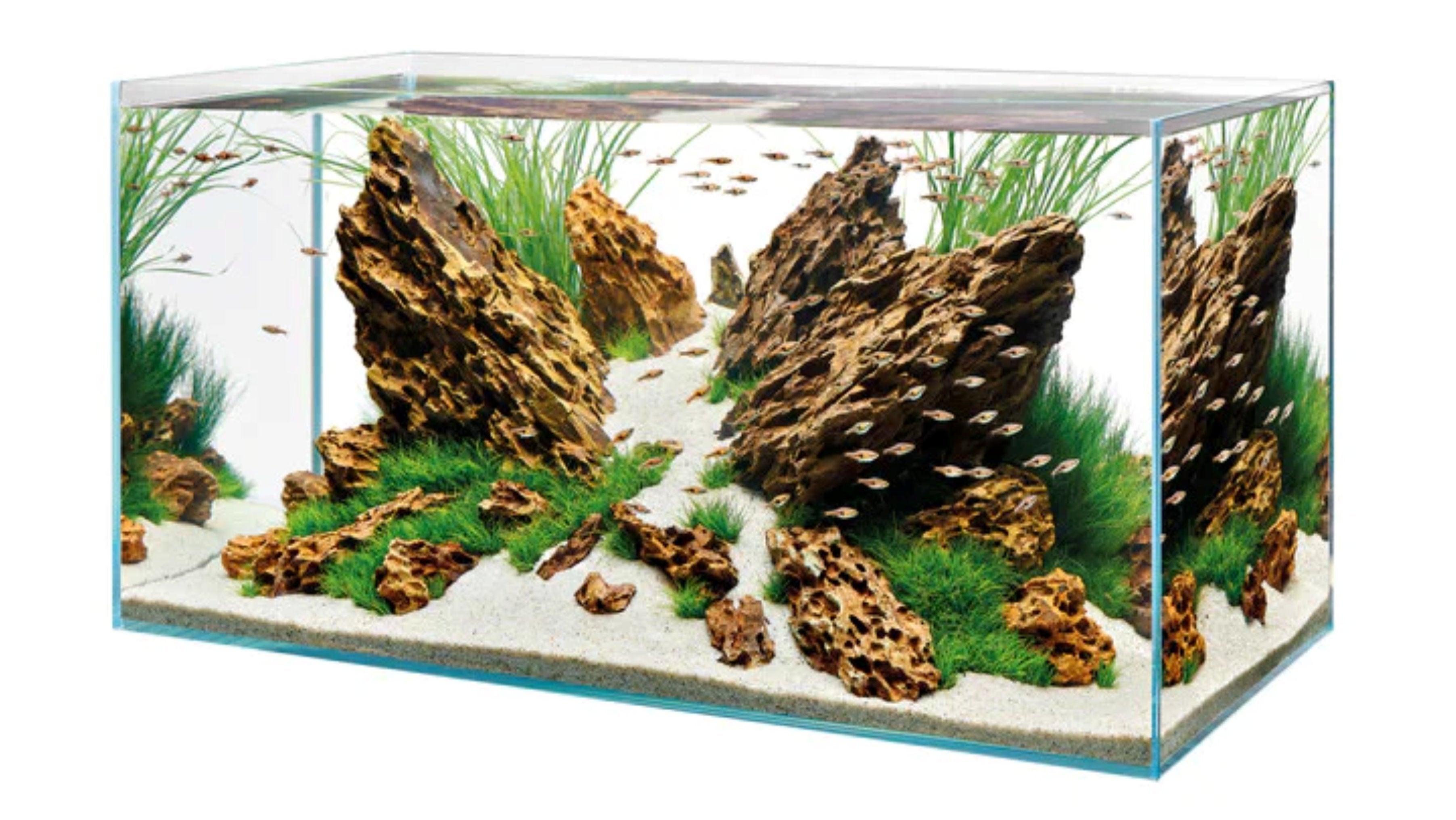
A minimum of 10 gallons can work for a small group in a species-focused setup, but 20 gallons or more is strongly recommended for long-term success. Hatchetfish do best in groups and need horizontal swimming room, so a longer tank footprint helps them feel secure and reduces stress.
Because they are schooling fish, a larger tank also makes it easier to keep the group size appropriate while maintaining stable water quality.
Water Parameters
Hatchetfish prefer clean, stable water and do best when parameters are consistent. While they can adapt to a range, they thrive in tropical community conditions. Because hatchetfish are often sensitive to sudden shifts, avoid large, irregular water changes. Consistency is more important than chasing “perfect” numbers. Recommended range for hatchetfish care:
- Temperature: 75–82°F (24–28°C)
- pH: 6.0–7.5
- Hardness: soft to moderately hard
- Ammonia/Nitrite: 0 ppm
- Nitrate: kept low with routine water changes
Filter
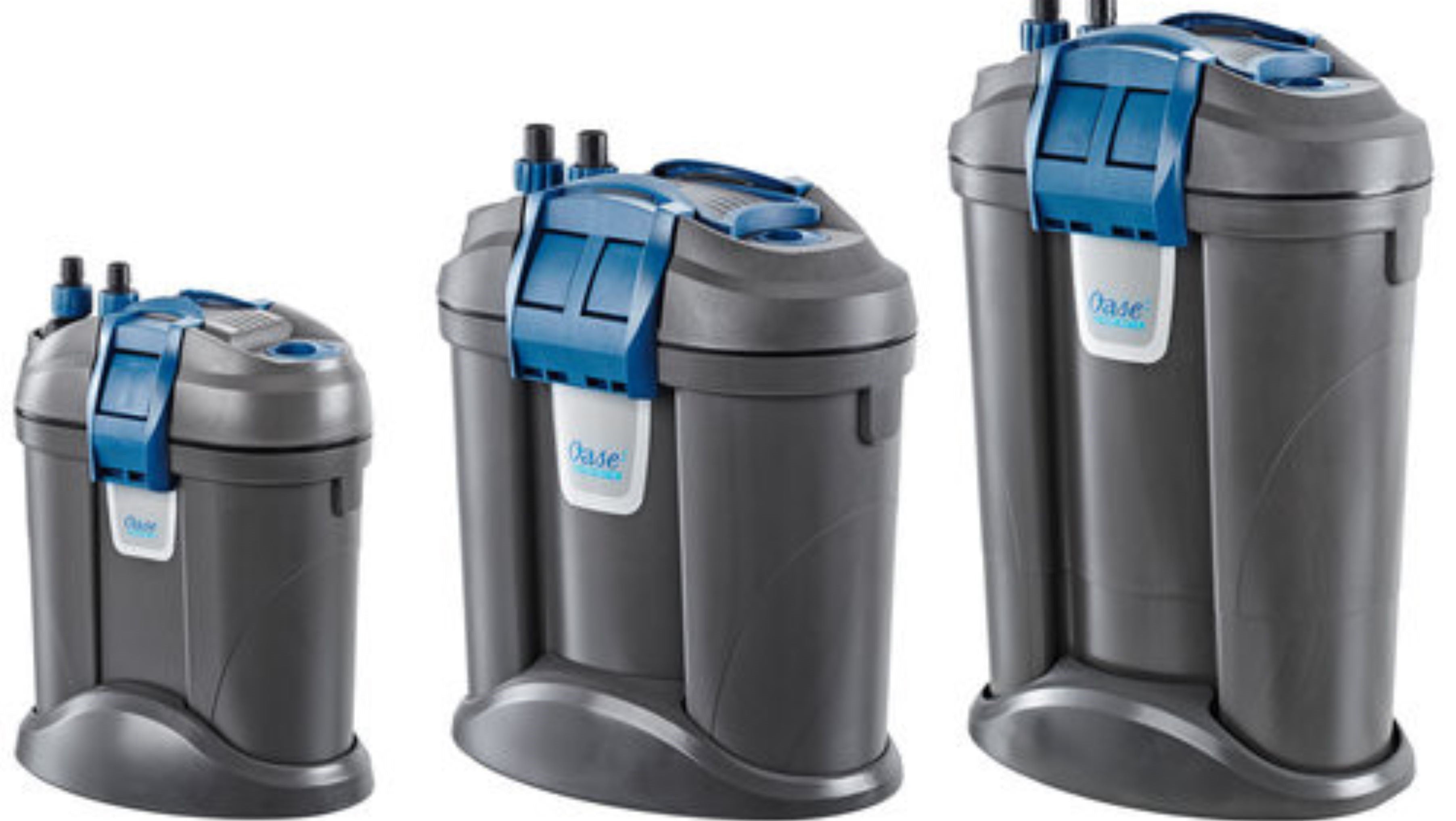
Hatchetfish prefer gentle flow at the surface. Strong currents can stress them and make them hide, especially in smaller tanks. A filter that provides steady oxygenation without blasting the top layer is ideal. Hatchetfish enjoy well-oxygenated water, but they don’t want to fight a strong surface current all day. Good filtration options include:
- Sponge filters
- Adjustable hang-on-back filters with surface flow control
- Gentle canister return flow aimed toward the back wall
Substrate
Hatchetfish don’t interact much with the substrate since they live near the surface, so substrate choice is flexible. Many aquarists prefer darker substrates because hatchetfish feel more secure and display better coloration in tanks that are not overly bright. If you’re building a planted community tank, choose a substrate that supports plant growth, since plants, especially floating plants, play a big role in hatchetfish comfort.
What Do Hatchetfish Eat?
In the wild, hatchetfish are surface feeders that target insects and tiny organisms near the waterline. In aquariums, they do best with floating or slow-sinking foods that stay near the top long enough for them to eat comfortably. Because hatchetfish can be shy, it helps to feed smaller portions more than once a day, especially when they’re newly introduced. Once settled, they usually become confident surface feeders. A strong diet for hatchet fish includes:
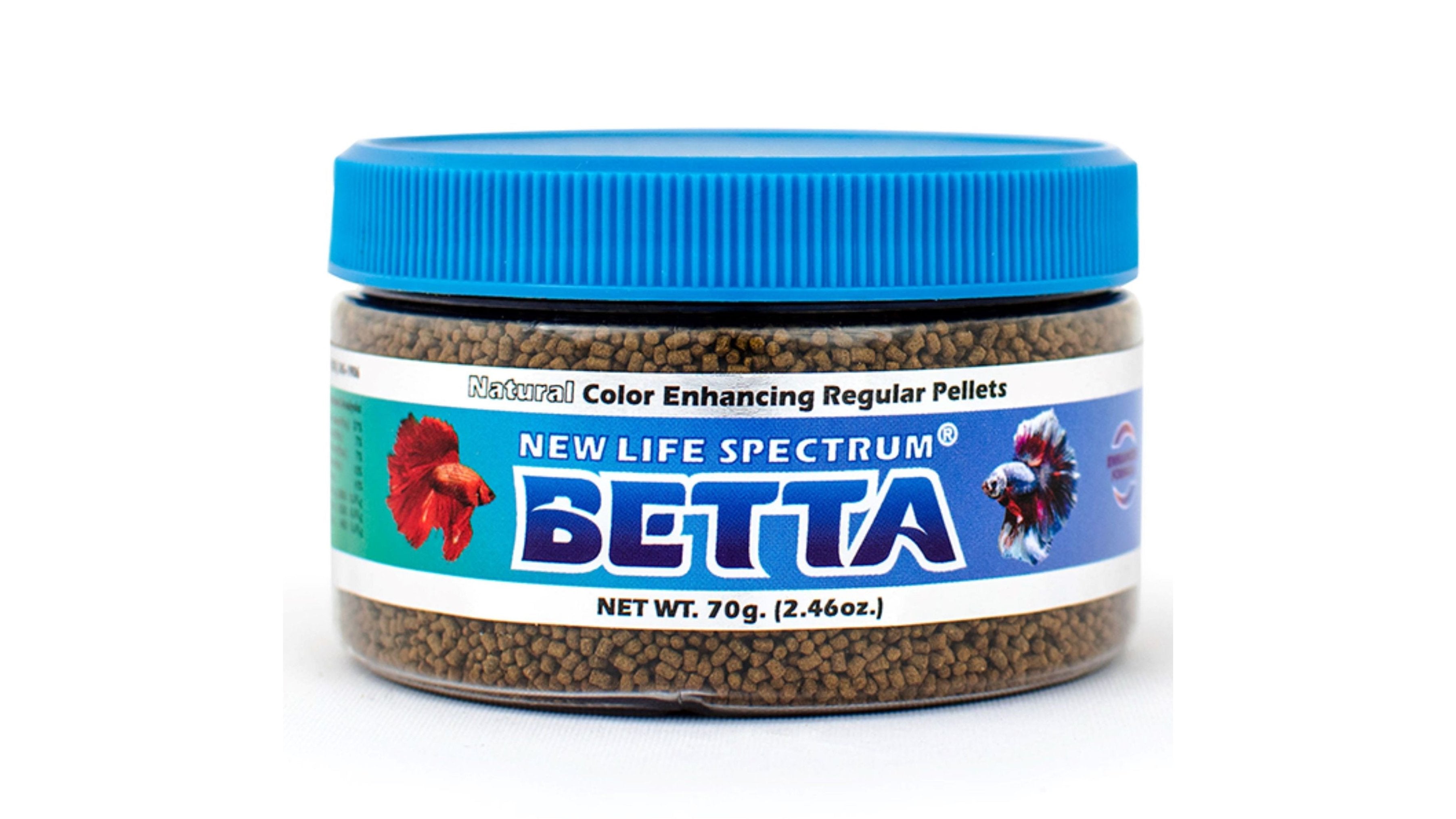
- High-quality micro pellets or flakes
- Frozen foods like brine shrimp, daphnia, and bloodworms (in moderation)
- Occasional insect-based foods for enrichment
Hatchetfish Breeding
Breeding hatchetfish in a home aquarium is possible, but it’s not as common as breeding livebearers or Tetras. Hatchetfish typically scatter eggs, and success depends heavily on a calm breeding tank, soft water, and dense plant cover, especially floating plants. In many cases, eggs may be eaten by adults or tank mates, which is why breeders often move adults after spawning or use a separate breeding setup. Consistent temperature, gentle filtration, and a high-quality diet increase the chances of breeding behavior.
Best Hatchetfish Tank Mates
Hatchetfish are peaceful fish and do best with calm, non-aggressive community species that won’t harass them near the surface. Since they occupy the top zone, ideal tank mates usually live in the middle or bottom areas of the aquarium.
Great hatchetfish tank mates often include peaceful schooling fish and gentle bottom dwellers. Avoid fin nippers and overly aggressive fish, especially those that chase or dominate during feeding time. Also, avoid large fish that may see hatchetfish as food.
Aquatic Plants for Hatchetfish Tank
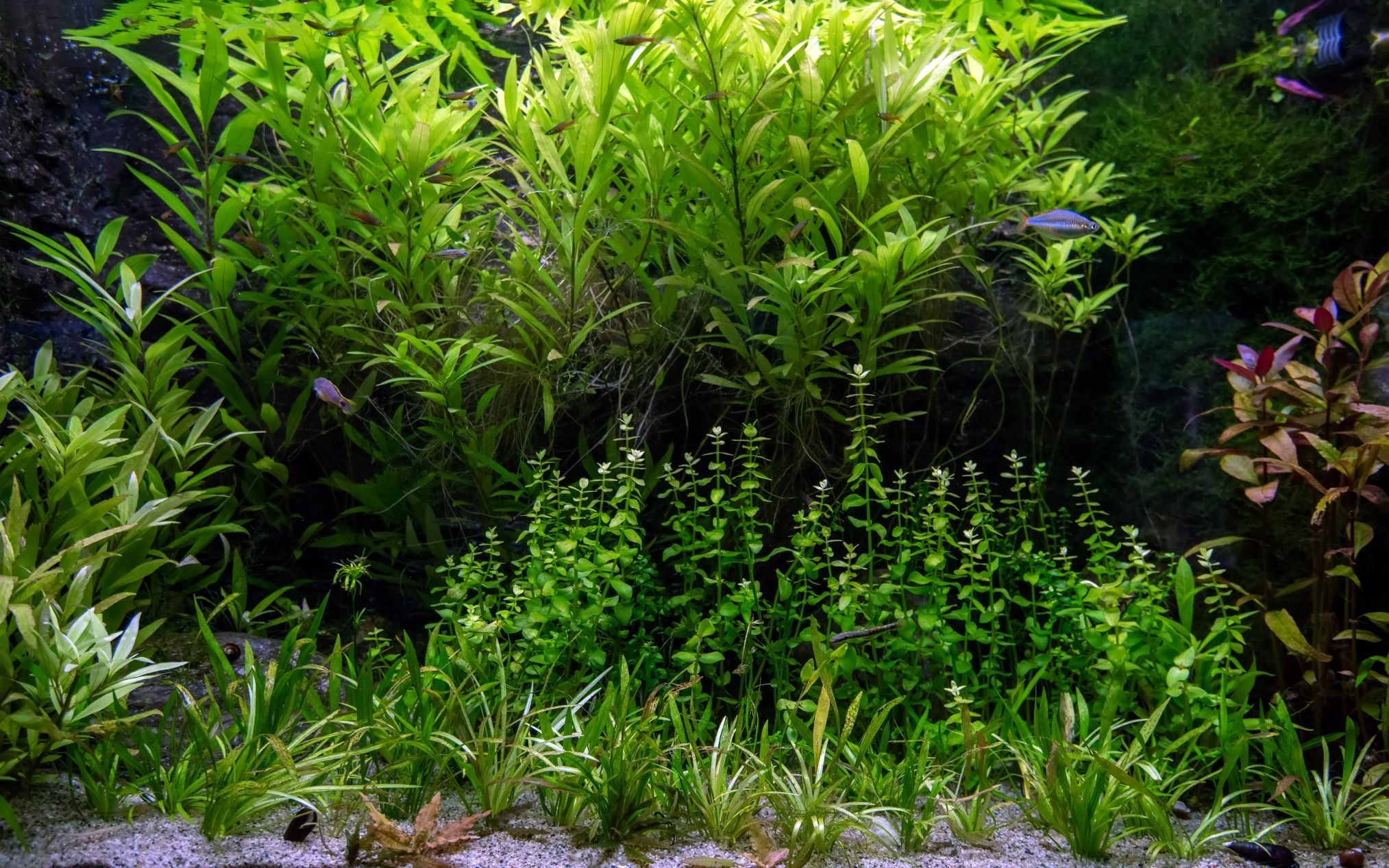
Plants are a major upgrade for any hatchetfish aquarium, especially floating plants that provide shade and surface security. Hatchetfish often stay directly under surface cover, and floating plants reduce stress by creating a more natural environment. A planted tank also supports micro-life, stabilizes water quality, and improves the overall look of a surface-oriented community aquarium. The best plant strategy includes:
- Floating plants to soften lighting and provide cover
- Midground plants to create structure without overcrowding
- Open swimming space across the top third of the tank
Conclusion
Hatchetfish are one of the most unique and peaceful surface-dwelling fish in the freshwater hobby. With their distinctive shape, calm schooling behavior, and elegant surface-gliding movement, they add a layer of life that many aquariums are missing. The secret to successful hatchetfish care is creating a safe surface environment: a tightly covered tank, gentle flow, stable water parameters, and plenty of floating plant cover.
Visit Splashy Fish tropical fish store to buy Silver Hatchetfish and other freshwater fish online or at our aquarium store in Virginia for more betta fish, freshwater shrimp, aquarium plants, and aquarium supplies.
Hatchetfish Frequently Asked Questions (FAQs)
How long do Hatchetfish live in aquarium?
Most hatchetfish live around 3–5 years in a well-maintained aquarium. Stable water parameters, a peaceful tank, and high-quality feeding can improve lifespan. Stress from poor water quality or aggressive tank mates often shortens their life.
What is the biggest Hatchetfish in aquarium?
Some hatchetfish species can reach around 2 inches, while others stay closer to 1–1.5 inches. The largest commonly kept types in aquariums are typically the bigger hatchetfish species sold less frequently than marbled varieties. Tank size, diet, and overall care also influence growth.
Are Hatchetfish aggressive?
No, hatchetfish are generally peaceful and non-aggressive. They prefer schooling, calm environments and may become shy if housed with aggressive fish. Most issues come from stress or competition at feeding time, not aggression.