


Table of Contents
If you’ve ever watched a fish glide under driftwood like it owns the ceiling, you’ve probably met the upside down catfish. In a home aquarium, that behavior makes them one of the most entertaining catfish you can keep, especially in tanks with plants, wood, and shaded hideouts. In this upside down catfish care guide, Splashy Fish will provide everything you need to keep your Catfish healthy and thriving.
What Is Upside Down Catfish?
The classic upside-down catfish is most commonly Synodontis nigriventris, a small African catfish from the Congo Basin. In nature, it lives in slow-moving rivers and flooded forest areas where branches, roots, and vegetation create shaded surfaces to graze. This habitat is the reason for their unusual “fish upside down” swimming style. Moving inverted allows them to feed on biofilm and insects from the underside of leaves and wood while staying hidden from predators above.
In aquariums, upside down catfish are generally peaceful, a little shy when first introduced, and often more active during dusk and nighttime hours. This Catfish becomes much bolder when kept in small groups and given plenty of cover. They often hide when the aquarium is brightly lit with wide open space and no shelter. Otherwise, in planted tank with driftwood, caves, and plants, they’ll spend more time out in the open doing what they do best, cruising upside down and grazing.

Upside Down Catfish Types
Synodontis nigriventris (True Upside Down Catfish)
- Most suitable for community tanks
- Relatively small in size
- Peaceful temperament
- Known for consistent inverted swimming behavior
Synodontis contractus (False Upside Down Catfish)
- Often sold as a lookalike to nigriventris
- Can display upside-down swimming, but less consistently
- May grow slightly larger depending on care and conditions
Synodontis lucipinnis
- Sometimes labeled as upside-down catfish in shops
- Compact and active species
- Commonly kept in African community setups
Set Up An Ideal Aquarium for Upside Down Catfish
Tank Size
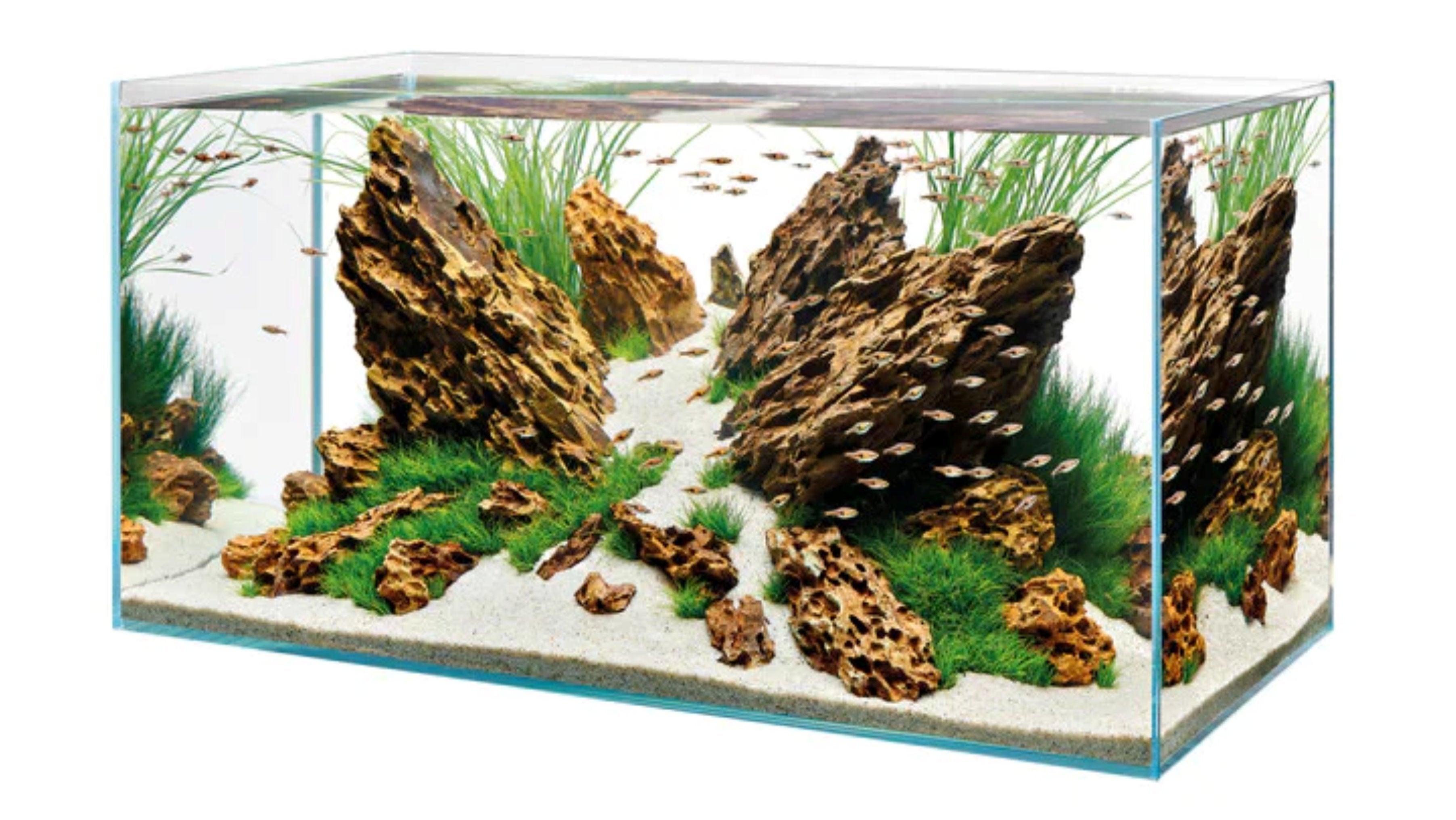
For a single upside down catfish, a 20-gallon tank can work, but they are more confident and natural in groups. If you plan to keep 3–6 individuals (recommended for more visibility and comfort), a 30-gallon or larger tank is ideal. Floor space matters because they use both the bottom and the undersides of décor, and groups need multiple hiding locations to prevent competition over caves.
Water Parameters
- Temperature: 74–80°F (23–27°C)
- pH: 6.5–7.8
- Hardness: soft to moderately hard
- Ammonia/Nitrite: 0 ppm
- Nitrate: kept low with routine water changes
Filter
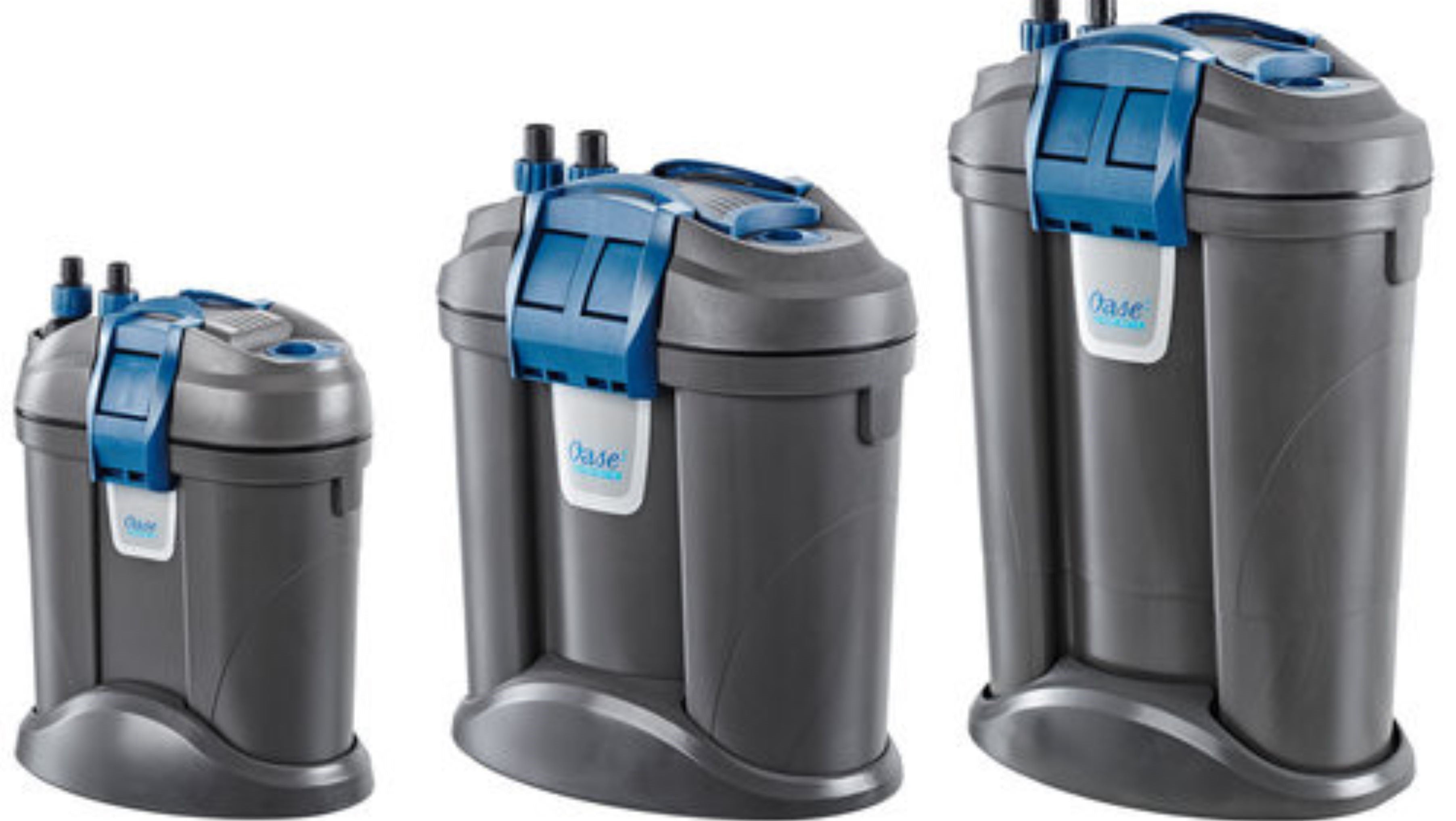
These catfish appreciate clean, oxygenated water without extreme current. Strong filtration is helpful because catfish produce a noticeable bioload, but avoid blasting the tank with high flow that makes them hide constantly. A good hang-on-back filter with adjustable output or a canister filter with a gentle return works well.
Substrate
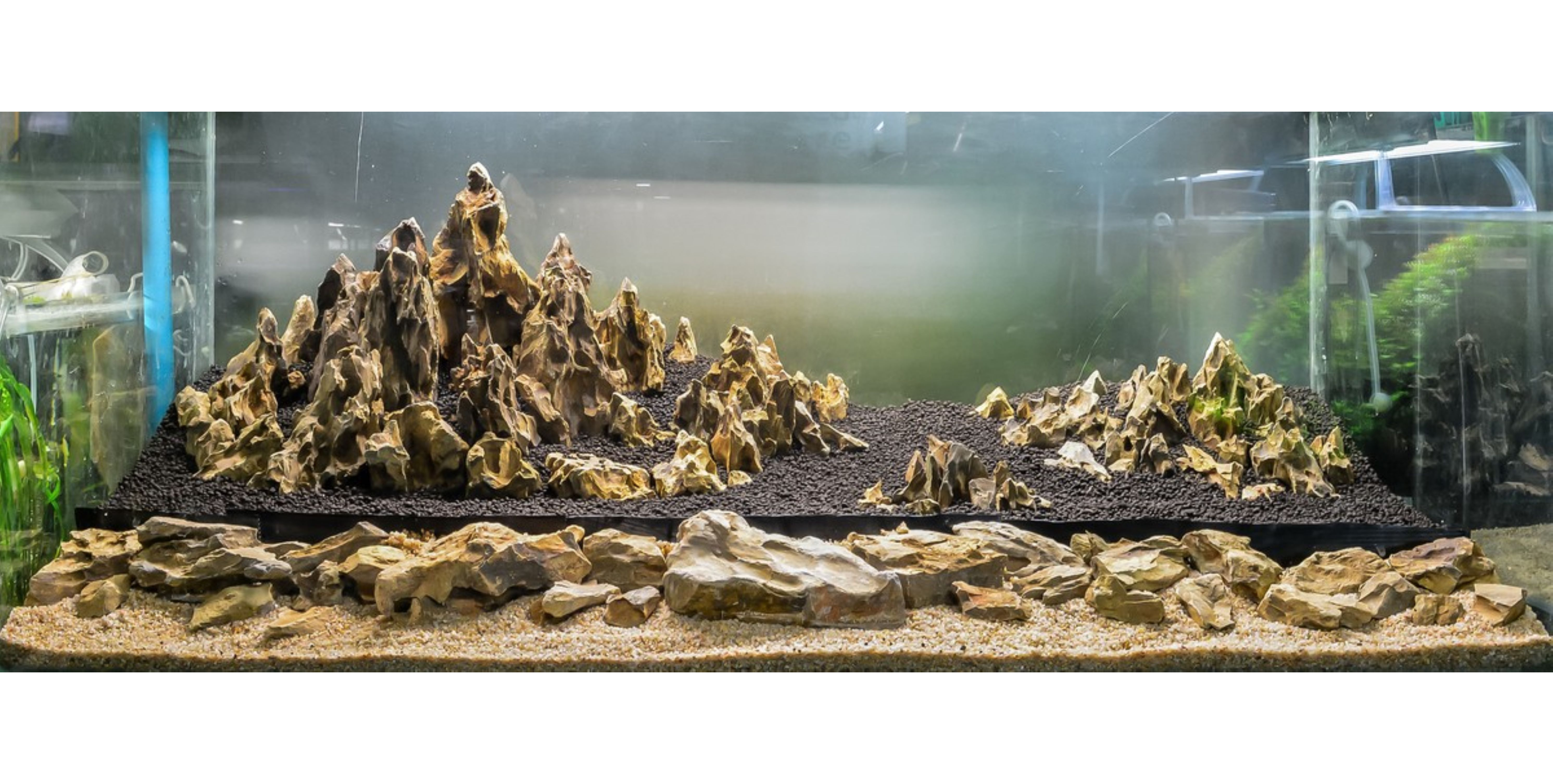
Upside down catfish aren’t heavy diggers, but they do forage and rest near the bottom. A smooth substrate, like sand or rounded fine gravel, helps protect their barbels and belly area. Sharp gravel is best avoided, especially in tanks where the fish regularly rest on the bottom or squeeze into tight caves.
What Do Upside Down Catfish Eat?
Upside down catfish are omnivores and natural scavengers. In the wild, they eat insects, small crustaceans, biofilm, and plant material, often feeding from the underside of surfaces. In a home aquarium, they do best on a varied diet that includes quality sinking foods and occasional protein.
A strong feeding routine usually includes sinking pellets or wafers as a staple, supplemented with frozen foods such as bloodworms, brine shrimp, and daphnia. They also benefit from occasional vegetable-based foods like algae wafers or blanched vegetables. Because these fish can be more active after lights dim, many keepers get the best feeding response by offering food in the evening, especially in community tanks where faster midwater fish may steal food during the day.
Upside Down Catfish Tank Mates
Upside down catfish are generally peaceful, but tank mate selection should match their size, activity level, and feeding habits. The best companions are calm community fish that won’t harass them or steal all the food. Good tank mates usually include:
- Peaceful tetras (medium-sized varieties)
- Rasboras
- Rainbowfish (in appropriately sized tanks)
- Corydoras (in larger tanks with enough bottom space)
- Bristlenose plecos (if the tank has enough hides for everyone)
Avoid or use caution with:
- Aggressive cichlids that claim caves
- Fin nippers that stress shy catfish
- Very tiny fish that may be vulnerable if the catfish grows larger
- Large predators that may harass or eat them
Aquatic Plants for Upside Down Catfish Tank
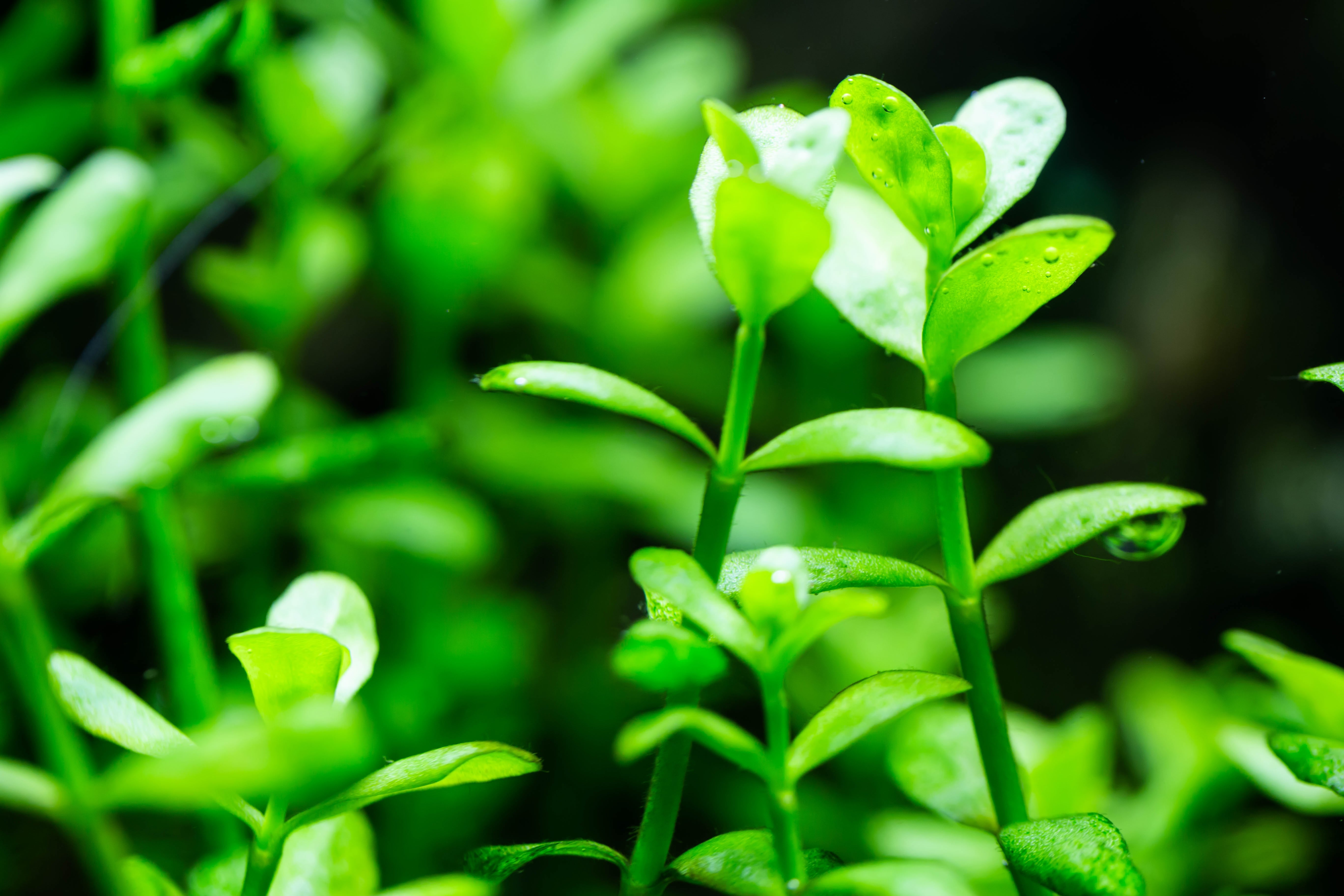
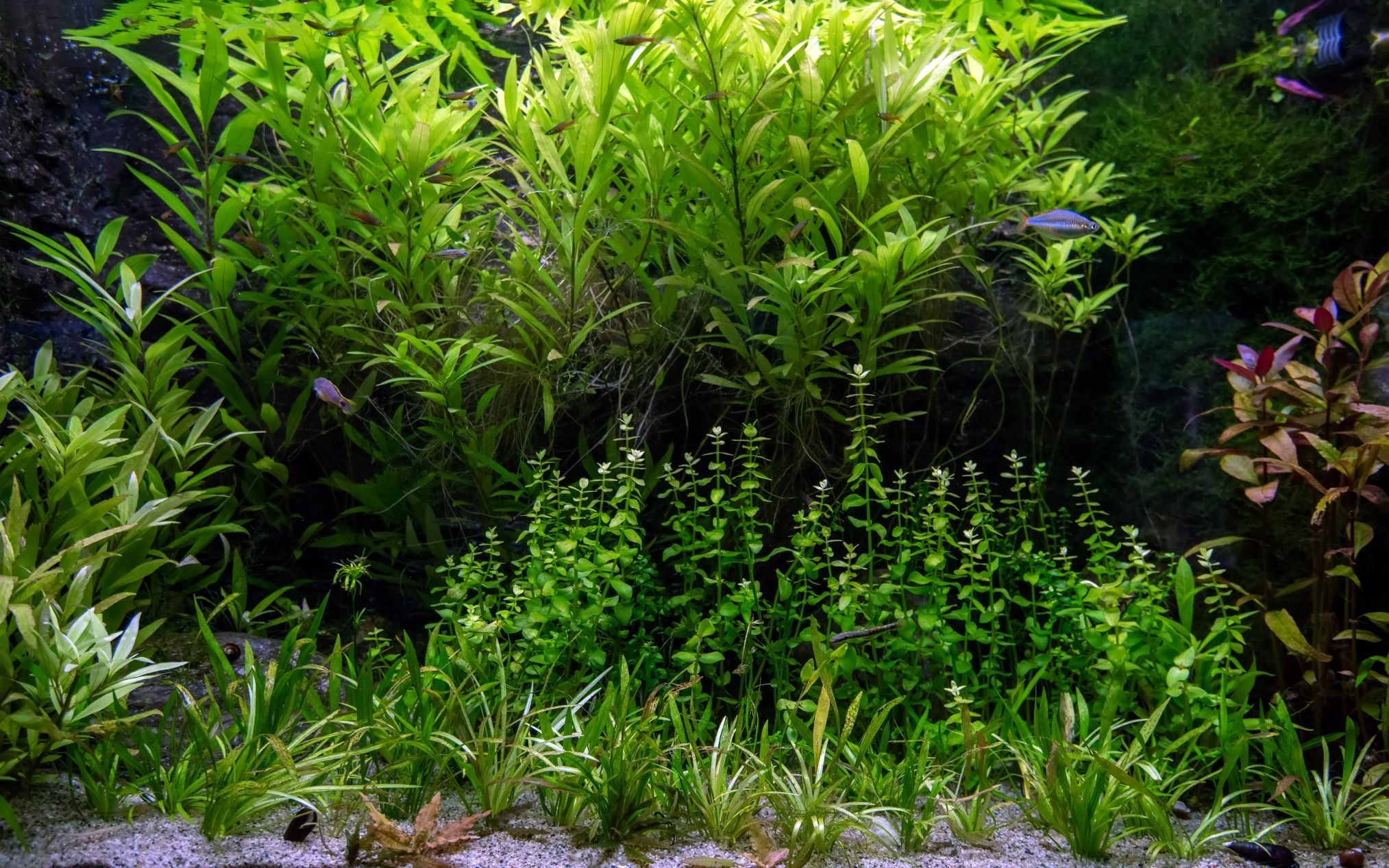
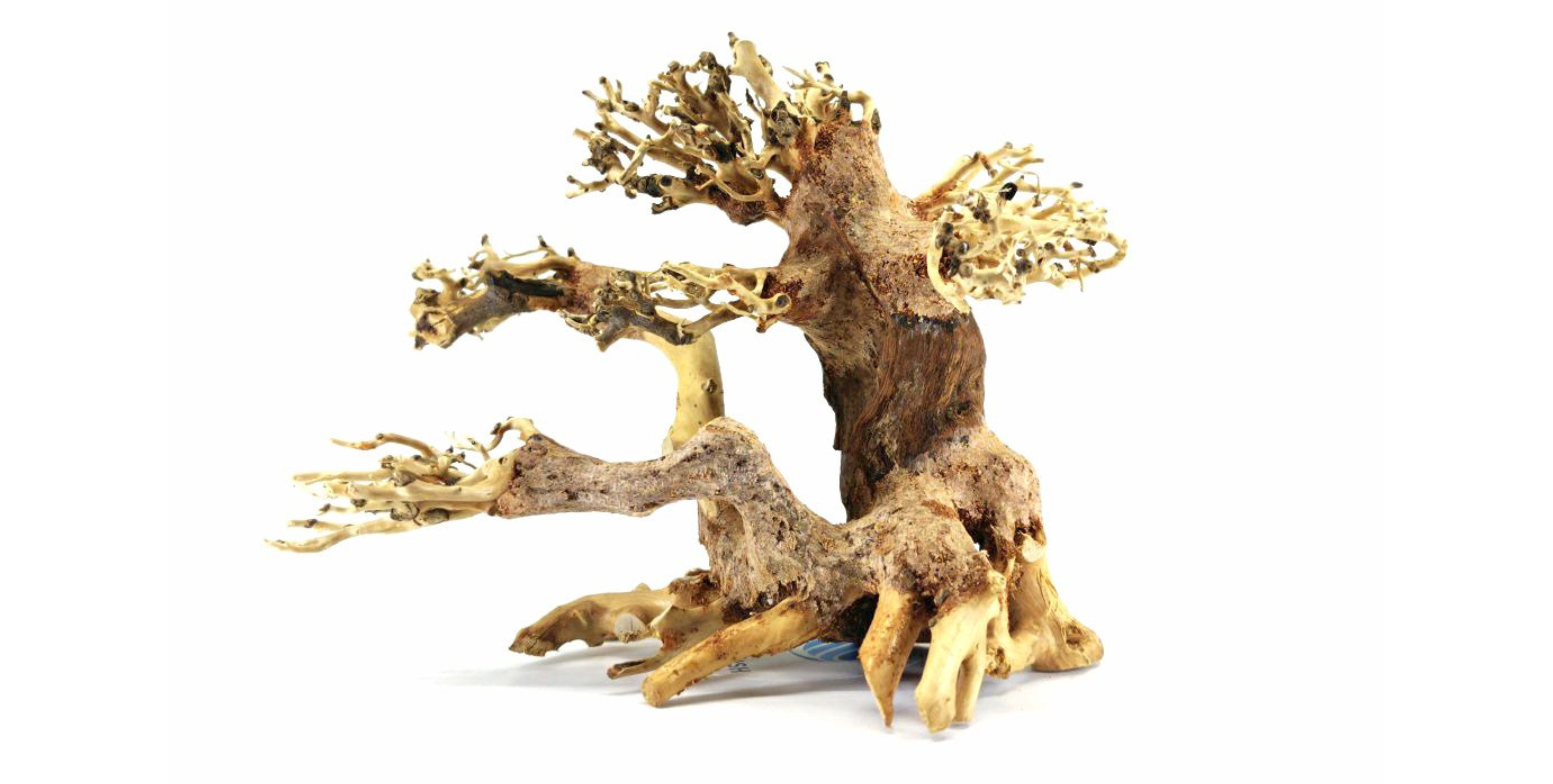
Plants aren’t required, but they significantly improve the tank’s comfort and natural feel, especially for a fish that loves shade and cover. Upside down catfish feel more secure when the tank includes dense midground planting, floating plants, and driftwood that creates shadow zones.
Conclusion
The upside down catfish is one of the most entertaining and unique freshwater catfish you can keep. With its signature upside-down swimming style, peaceful temperament, and love for shaded structures, it adds movement and personality to parts of the aquarium most fish ignore. The secret to success is a well-structured tank: stable water, gentle filtration, safe substrate, and plenty of driftwood or caves.
Visit Splashy Fish tropical fish store to buy False Upside down Catfish and other freshwater fish online or at our aquarium store in Virginia for more betta fish, freshwater shrimp, aquarium plants, and aquarium supplies.
FAQs
How big do Upside Down Catfish get?
Most true upside down catfish (Synodontis nigriventris) reach about 3–4 inches as adults. Tank size, diet quality, and overall care can affect growth. Always confirm the species, since some Synodontis types grow much larger.
What is Upside Down Catfish lifespan?
With good care, upside down catfish commonly live 5–10 years in an aquarium. Stable water quality, a varied diet, and a low-stress environment can extend lifespan.
Are Upside Down Catfish aggressive?
Upside down catfish are generally peaceful and non-aggressive when kept with appropriate tank mates. They may defend favorite hiding spots, but serious aggression is uncommon in spacious tanks. Most issues come from overcrowding or keeping them with aggressive cave-claiming fish.