



Table of Contents
Known for its lush green foliage and ability to thrive in various conditions, Anacharis is the ultimate choice for both beginners and seasoned aquarists. But to truly unlock its potential and achieve a thriving underwater ecosystem, effective care is essential. In this comprehensive guide, we will delve into the secrets of mastering Anacharis, exploring optimal light conditions, nutrient requirements, and ideal tank setups. Prepare to transform your aquatic landscape as we embark on a journey to create a lush and healthy environment where your Anacharis can flourish, contributing to the beauty and balance of your underwater world.
What Is Anacharis Plant?
Anacharis, scientifically known as Egeria densa, is a fast-growing aquatic plant native to South America. It is also commonly referred to as Anacharis elodea or Elodea Anacharis, although true Elodea and Egeria are technically different genera. In the aquarium trade, these names are often used interchangeably.
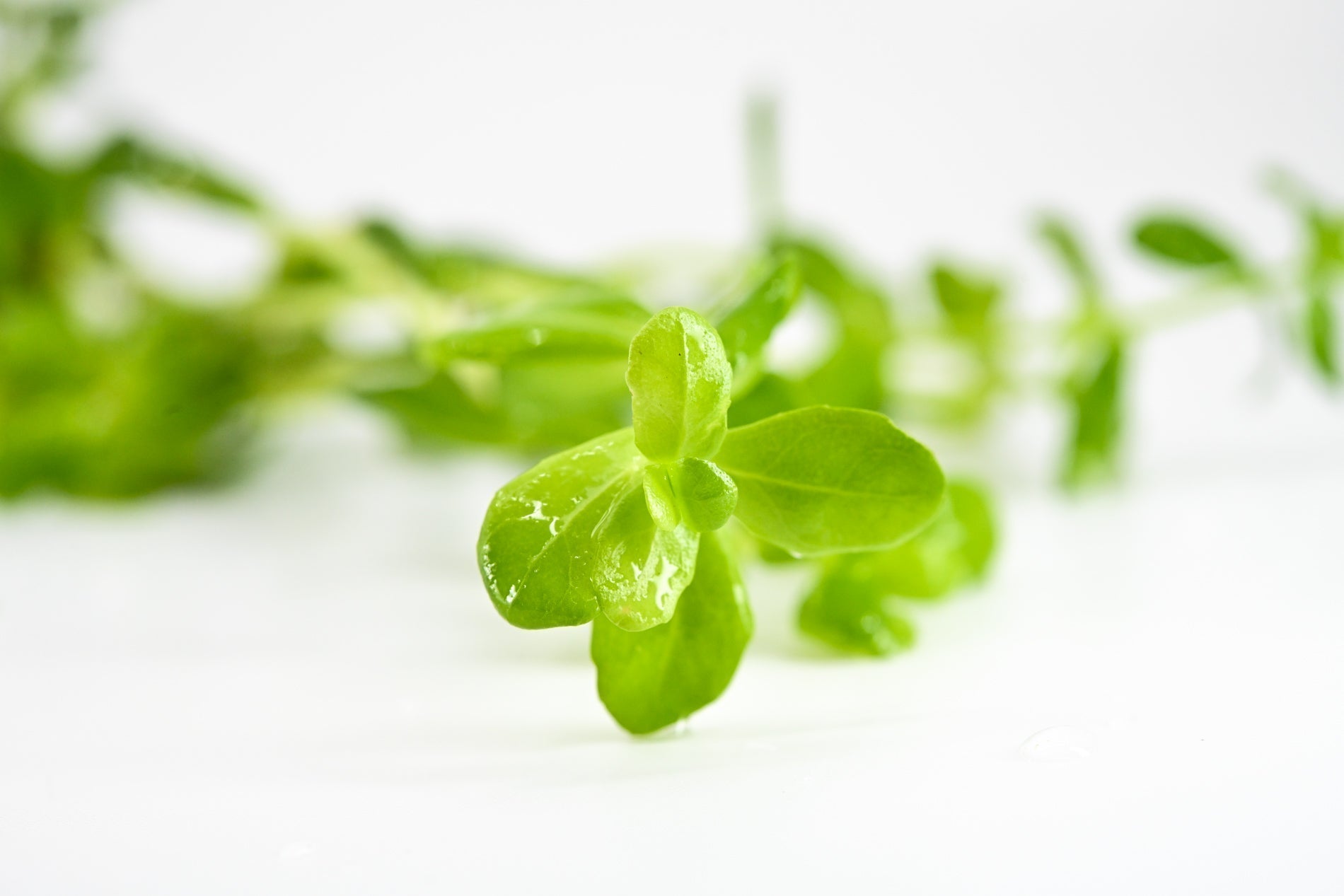
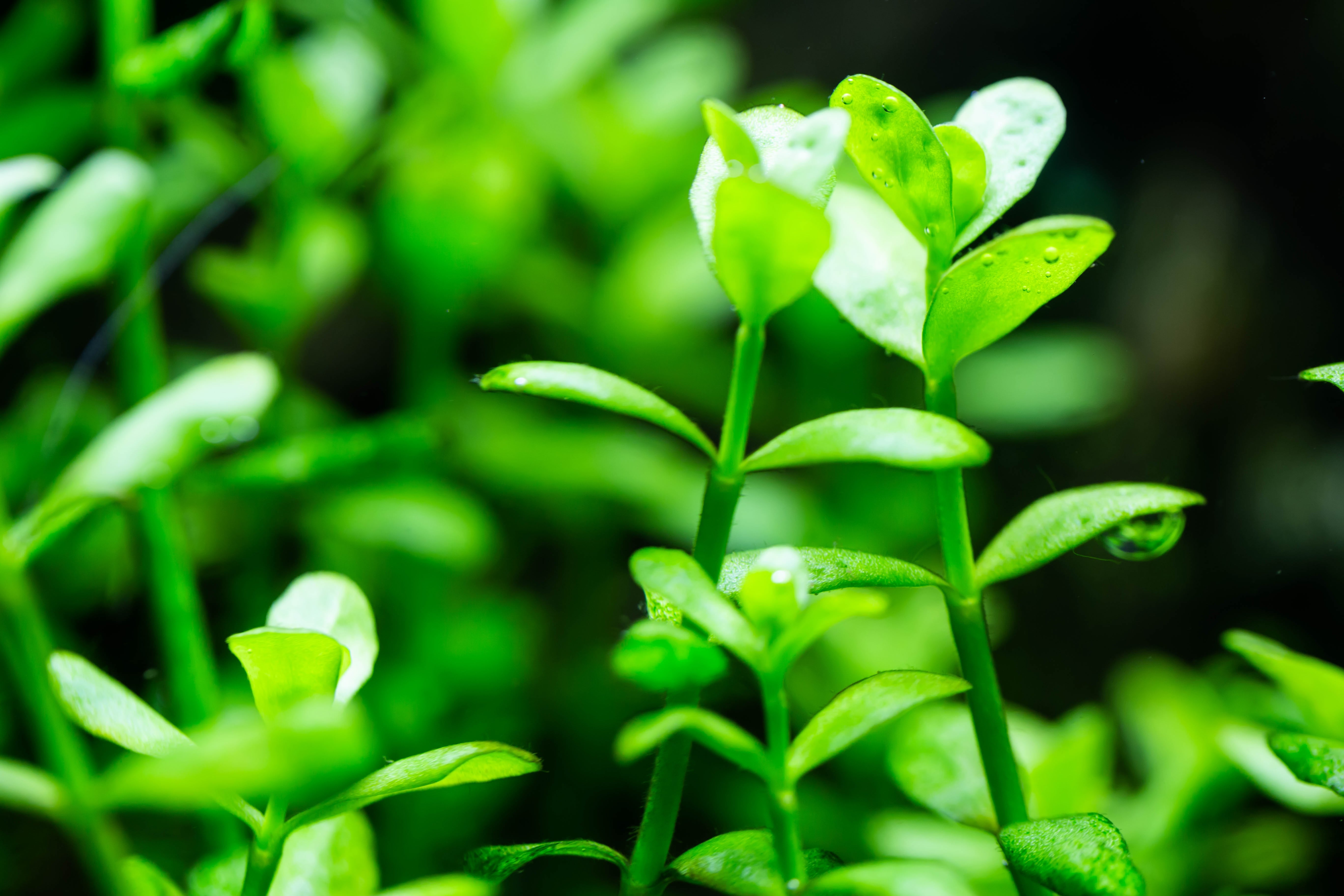
Anacharis features long, flexible stems covered in whorls of narrow, bright green leaves. Under good conditions, it grows rapidly and produces dense, bushy growth that provides excellent shelter for fish and invertebrates. Because of its adaptability, Anacharis plant care is considered beginner-friendly, making it a staple in community tanks, goldfish tanks, shrimp tanks, and even outdoor ponds.
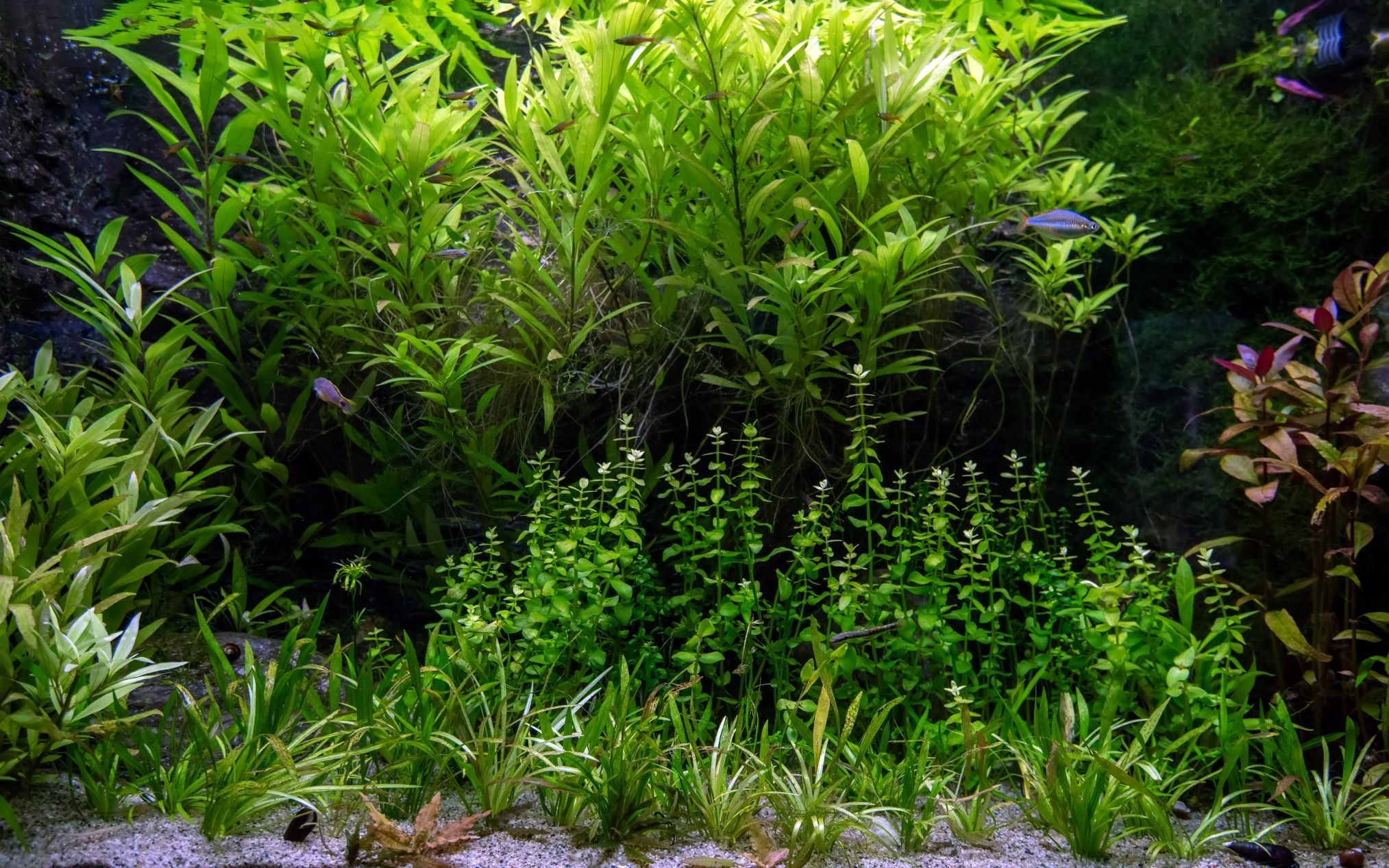
Anacharis is a fast-growing stem plant with bright green, oxygen-producing foliage that can be planted in the substrate or floated on the water's surface. It thrives in a wide range of conditions, making it a versatile addition to any aquatic environment. This plant is not only aesthetically pleasing but also excellent for improving water quality, helping to create a healthier ecosystem for fish and other aquatic life.
Why Should I Have Anacharis Plant?
Improves Water Quality
Anacharis absorbs excess nitrates, ammonia, and other waste products from the water. This helps stabilize water parameters and reduces the risk of algae blooms, especially in newly established aquariums.
Natural Oxygenator
Often called an “oxygen plant,” Anacharis releases oxygen during photosynthesis, improving water circulation and overall tank health. This is particularly beneficial for tanks with high fish loads.
Provides Shelter and Security
The dense foliage created by Anacharis aquarium plants offers hiding spots for fry, shrimp, and shy fish. This reduces stress and increases survival rates for baby fish.
Extremely Easy to Grow
Because it tolerates a wide range of conditions, Anacharis is ideal for beginners learning the basics of planted tank care. It also grows quickly, giving visible results in a short time.
Versatile Placement
Anacharis can be rooted in the substrate or left floating, making it adaptable to many aquascaping styles and tank layouts.
Create Ideal Environments for Anacharis Plant
Tank Size
Anacharis can grow in almost any aquarium size, from small nano tanks to large community tanks and ponds. However, because it grows quickly and can reach lengths of 20 inches or more, medium to large tanks (10 gallons and up) are ideal for long-term maintenance. In smaller tanks, regular trimming is necessary to prevent overcrowding.
Lighting
Lighting plays an important role in Anacharis plant care, though this plant is not demanding. Aim for 6–8 hours of consistent lighting per day. Too much light can encourage algae growth, while too little light may cause leaf drop at the bottom of the plant.
- Low light: Slow to moderate growth, thinner stems
- Medium light: Healthy growth with vibrant green color
- High light: Faster growth, denser foliage (may require more maintenance)
Water Parameters
One of the reasons Anacharis is so popular is its ability to thrive in a wide range of water conditions. It grows well in both tropical and cooler aquariums, making it suitable for community tanks as well as goldfish setups. Ideal water parameters:
- Temperature: 60–82°F (16–28°C)
- pH: 6.5–7.8
- Hardness: Soft to moderately hard
- Ammonia/Nitrite: 0 ppm
Substrate
Anacharis does not have heavy root requirements, which makes substrate choice flexible. Suitable substrates include:
- Fine gravel
- Sand
- Planted tank substrates
Although it can be planted in the substrate, Anacharis does not rely heavily on its roots for nutrients and can also grow freely as a floating plant.
Water Flow
Moderate water flow is ideal for Anacharis. Gentle circulation helps distribute nutrients and prevents debris from settling on the leaves. Strong currents should be avoided, as they may cause the stems to bend or break.
How to Plant Anacharis in Aquarium?
Planting in Substrate
- Trim the bottom inch of the stem if damaged.
- Insert the stem 1–2 inches into the substrate.
- Space multiple stems a few inches apart to allow light penetration.
- Use plant weights if needed to keep stems anchored initially.
Floating Anacharis
Anacharis can also be left floating, which is useful for fry tanks or low-tech setups. Floating plants often grow faster because they receive more light, though they may shade plants below.
Do Anacharis Plants Need Fertilizer?
In most aquariums with fish, waste products provide enough nutrients for healthy growth. However, in heavily planted or low-stock tanks, supplementing with a balanced liquid fertilizer can prevent yellowing or slowed growth. Anacharis is a light feeder, but fertilization can improve growth and appearance.
- Liquid fertilizers: Beneficial for micronutrients
- Root tabs: Optional if planted in nutrient-poor substrate
How to Propagate Anacharis?
Propagation is extremely simple, making Anacharis one of the easiest plants to multiply. Anacharis propagates through stem cuttings. Within days to weeks, the cutting will develop new roots and continue growing. Regular trimming not only controls size but also encourages bushier growth. Here is how to do it:
- Cut a healthy stem section 4–6 inches long.
- Remove lower leaves.
- Plant the cutting in substrate or allow it to float.
Safe Tank Mates for Anacharis Plant
Anacharis is compatible with most freshwater aquarium inhabitants, though some fish may nibble on its leaves. In tanks with plant-nibbling fish, floating Anacharis may last longer than planted stems.
Great Tank Mates
- Guppies, Platies, Swordtails
- Tetras and Rasboras
- Corydoras Catfish
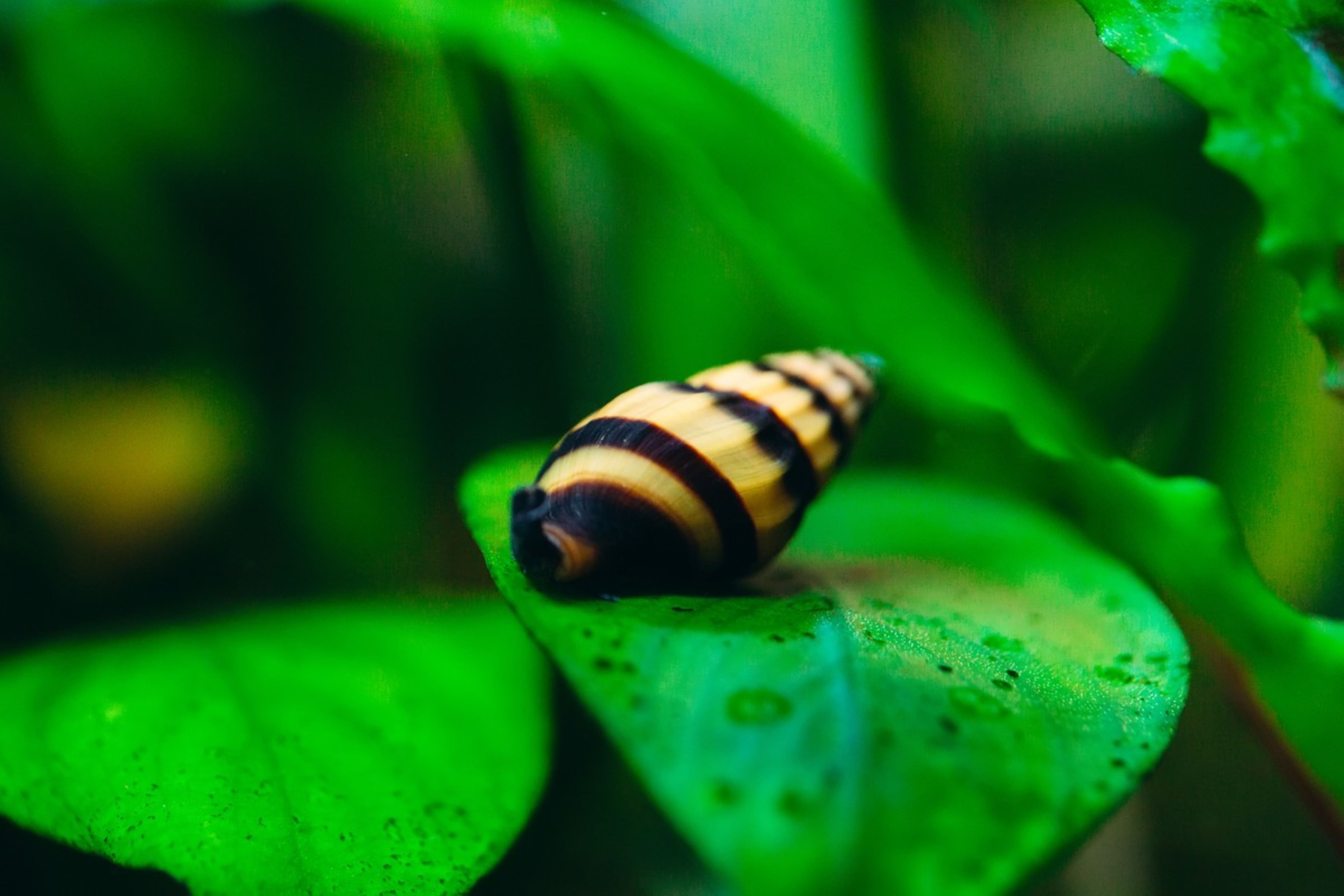
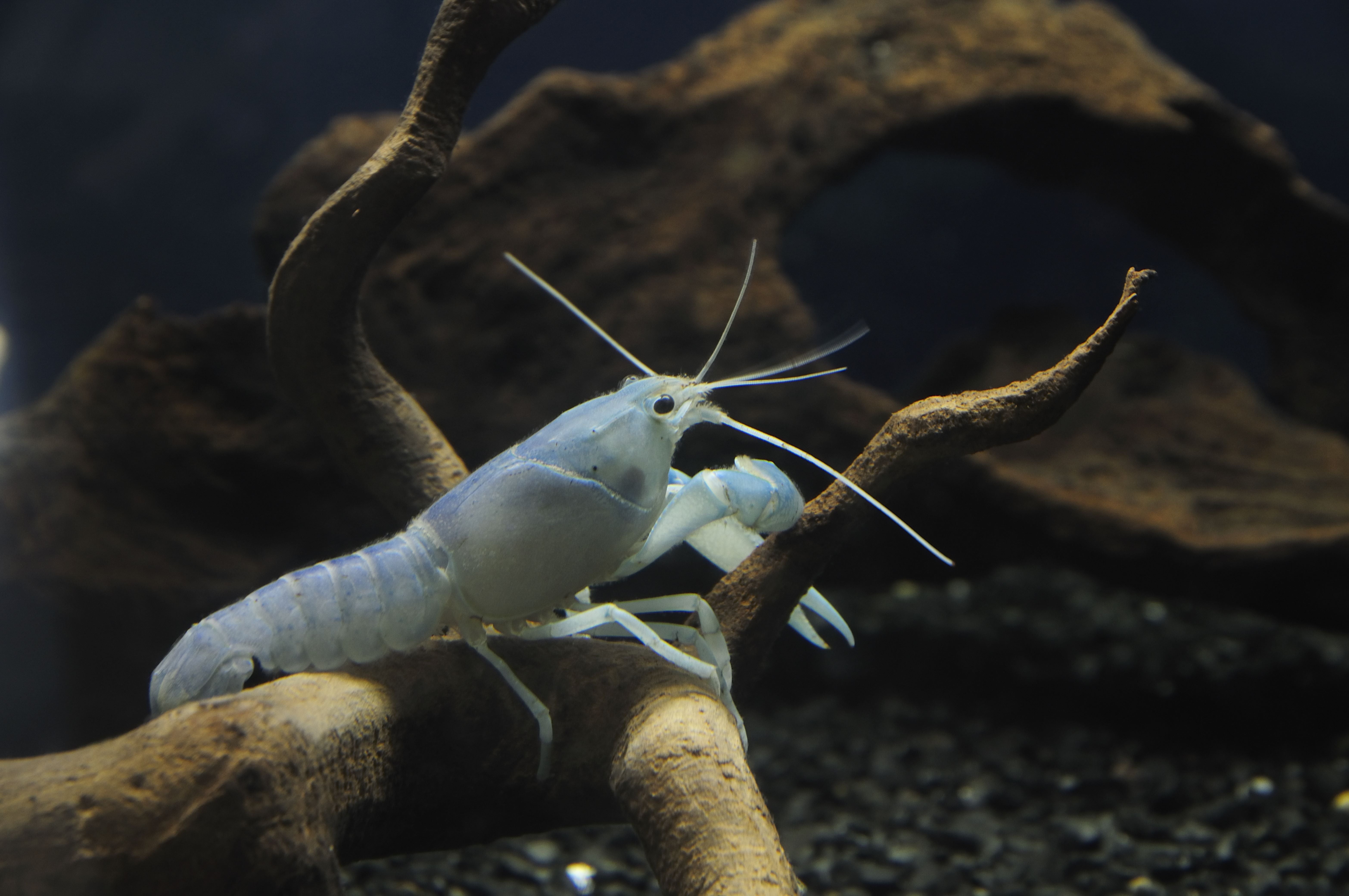
- Shrimp and snails
- Bettas (in appropriate setups)
Use with Caution
- Goldfish and some Cichlids may eat Anacharis
- Large plant-eating fish can damage stems
Conclusion
Anacharis is one of the most versatile, beginner-friendly, and beneficial aquatic plants you can add to a freshwater aquarium. Its fast growth, adaptability, and ability to improve water quality make it a valuable addition to both simple and advanced setups. Whether planted in the substrate or left floating, the Anacharis aquarium plant brings natural beauty, oxygenation, and balance to your underwater environment.
At Splashy Fish aquarium store, we offer a wide range of Anacharis plant for sale and other aquatic plants for sale. Visit us to buy them online or at our local fish store in Virginia for other betta fish for sale, freshwater fish for sale, invertebrates for sale, and aquarium supplies.
Anacharis Plant Frequently Asked Questions (FAQs)
Will Anacharis plant grow in gravel?
Yes, Anacharis can grow well in gravel as long as the substrate is fine enough to anchor the stems. Because it absorbs most nutrients from the water column, gravel works well without additional root tabs.
Can Anacharis plant grow in cold water?
Yes, Anacharis is one of the few aquarium plants that thrives in cooler water. It grows well in temperatures as low as 60°F, making it suitable for goldfish tanks and unheated aquariums.
Do Anacharis plant need CO2?
No, CO₂ is not required for Anacharis to grow. While CO₂ can speed up growth slightly, Anacharis thrives in low-tech tanks without any CO₂ supplementation.