



Table of Contents
A thriving water garden isn’t just about clear water but the balance, beauty, and life. The right pond plants can instantly upgrade your pond’s look while supporting healthier water quality by absorbing excess nutrients, providing shade, and creating safe zones for fish and beneficial wildlife. If you’re searching for the best water plants for ponds, a helpful list of freshwater plants names, or a beginner-friendly breakdown of types of aquatic plants, this guide will walk you through five pond favorites that are easy to grow and highly effective. Below, you’ll find a curated mix of floating and submerged aquatic plants for ponds that work beautifully in small backyard ponds, patio tubs, and larger water features, plus practical tips on planting and long-term care.
What Are Pond Plants?
Pond plants are aquatic or semi-aquatic plants that grow in or around freshwater environments such as ponds, tubs, and outdoor water features. They can be grouped into a few main types of aquatic plants:
- Floating plants that rest on the surface and create shade
- Submerged plants that grow underwater and oxygenate the pond
- Marginal plants that grow along pond edges with roots in wet soil
- Emergent plants that root underwater but grow above the surface
When chosen correctly, pond plants not only look good but also create a natural filtration system that supports clearer water and healthier fish.

Why Should You Have Pond Plants for Water Garden?
Adding the right plants for ponds is one of the easiest ways to improve both appearance and water stability. Pond plants naturally absorb nitrates and phosphates that would otherwise fuel algae blooms, and they help regulate temperature by shading the surface. Key benefits of pond plants include:
- Improved water clarity through nutrient absorption
- Reduced algae growth (less sunlight + fewer nutrients)
- Extra oxygen and better pond ecosystem balance
- Shelter for fish, fry, and beneficial pond life
- A more natural and visually appealing water garden
Red Root Floaters
Red Root Floaters (Phyllanthus Fluitans) are one of the most visually striking floating pond plants, known for their vivid red roots and leaves that can develop strong color under bright light. In a water garden, they create beautiful surface coverage that helps block sunlight, one of the best natural ways to reduce algae pressure.
They also absorb nutrients quickly, making them excellent for ponds that tend to run “rich” from fish waste or frequent feeding. Red Root Floaters multiply steadily, so they’re great for coverage, but they may need occasional thinning to prevent the surface from becoming fully shaded. If you want a pond plant that looks premium and actively supports cleaner water, this is a standout choice.
Visit here to explore more about How to Care for Red Root Floaters.
Hornwort
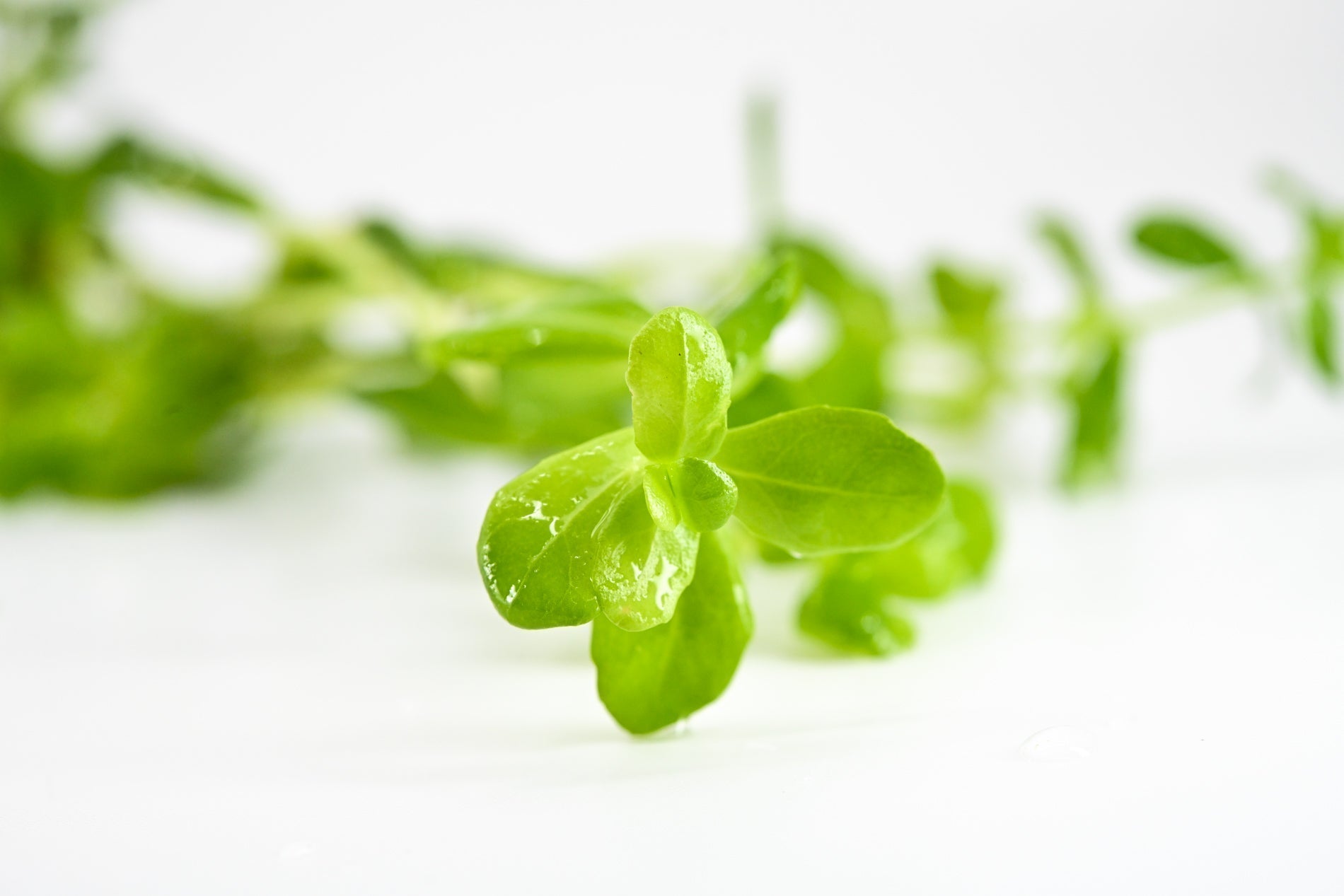
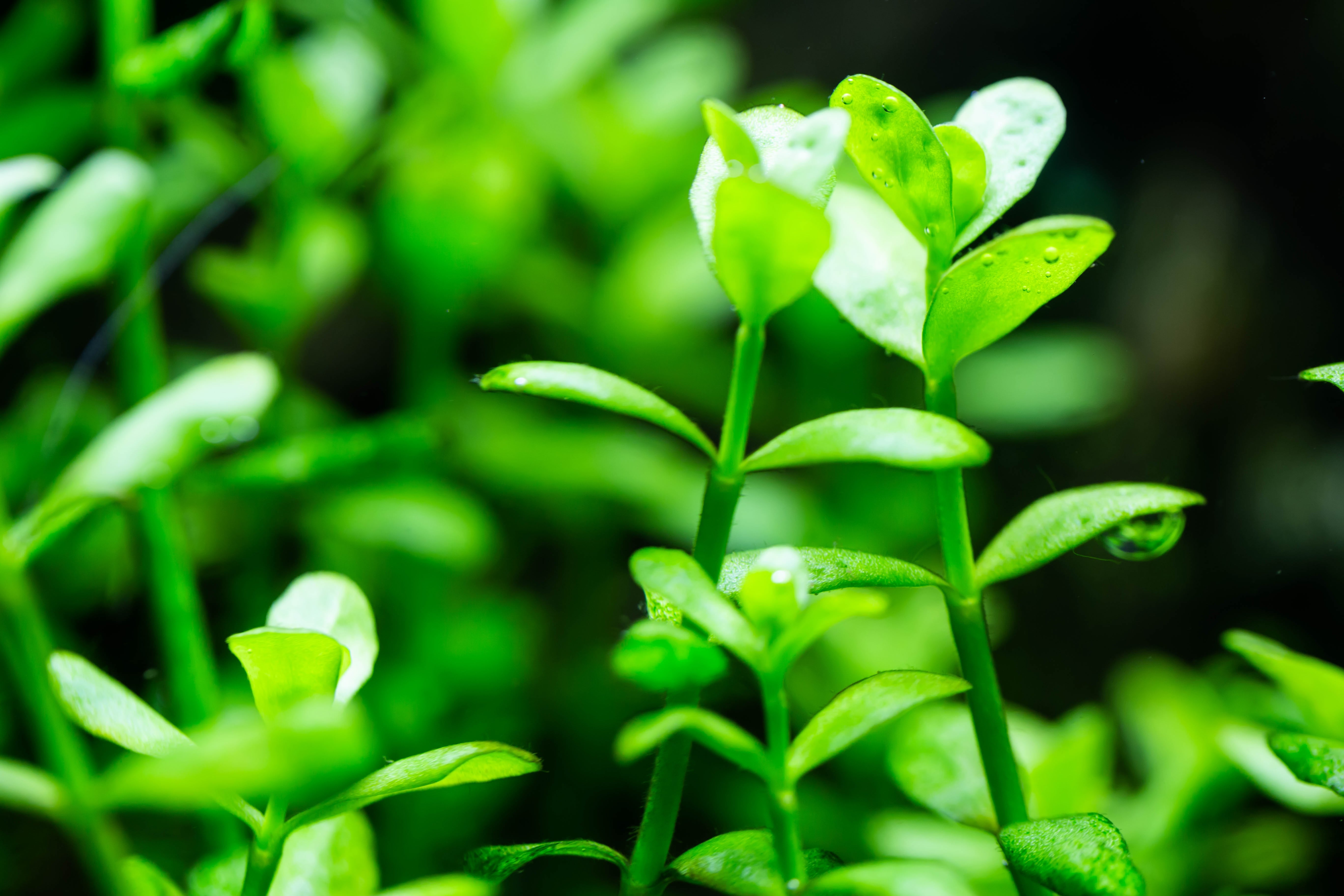
Hornwort (Ceratophyllum Demersum) is one of the most useful freshwater plants you can add to a pond, especially if you want a low-maintenance option. It’s a submerged plant that doesn’t always need to be rooted. Many keepers simply float it or weigh it down. Hornwort helps oxygenate water and provides hiding places for baby fish, while also competing with algae by absorbing excess nutrients.
Because it grows quickly, hornwort is often used as a “workhorse” plant in ponds where water quality needs support. It’s also hardy in a wide range of conditions, which makes it a strong beginner-friendly choice. If you’re building a pond ecosystem and want something functional and easy, hornwort is one of the best water plants for ponds to start with.
Learn more about Hornwort Plant Care Guide here.
Dwarf Aquarium Lily
The Dwarf Aquarium Lily (Nymphaea stellata) is a beautiful pond plant option for water gardeners who want broad leaves and a more dramatic centerpiece effect. Depending on conditions, it can grow lily-like pads that create shade and add an elegant, natural look to the pond. Shade matters because it cools the water and reduces light penetration, which helps control algae and keep fish comfortable.
This plant can be grown in pots or directly in pond substrate, and it benefits from nutrient-rich soil and consistent light. If you want a plant that upgrades your water garden's visual appeal while still contributing to water balance, the dwarf aquarium lily is a strong option among popular aquatic plants for ponds.

Amazon Frogbit
Amazon Frogbit (Limnobium laevigatum) is one of the most beginner-friendly floating pond plants and a favorite for both ponds and aquariums. Its round floating leaves provide gentle shade, while the long dangling roots create a natural “curtain” that fish and fry love to hide in. Frogbit absorbs nutrients efficiently, helping reduce algae growth when used as part of a balanced pond setup.
One of the best things about Amazon Frogbit is how quickly it adapts. In the right conditions, it spreads across the surface and creates that lush “water garden” feel. Like other floaters, it may need thinning so it doesn’t block too much light from reaching submerged plants.
Duckweed
Duckweed (Lemna minor) is one of the most common types of aquatic plants found in ponds and one of the most controversial. It’s a tiny floating plant that multiplies extremely fast and can quickly cover the surface if not managed. But when controlled, Duckweed can be incredibly useful: it absorbs nutrients rapidly and provides shade that helps keep algae down.
Duckweed is best for pond keepers who don’t mind routine maintenance and want a fast-growing plant that supports cleaner water. If you prefer a more “tidy” surface appearance, you may want to use duckweed in smaller controlled sections or choose larger floaters like frogbit instead.
Visit here to learn more about How to Care for Duckweed.
How to Plant Pond Plants
Planting pond plants correctly helps them establish faster and prevents them from dying off or floating away. Here are simple planting guidelines:
- Floating plants (Red Root Floaters, Frogbit, Duckweed): simply place on the surface, away from strong waterfall flow.
- Submerged plants (Hornwort): float it freely or weigh it down gently using plant weights or a small rock.
- Rooted plants (Dwarf Aquarium Lily): plant in a pond basket or pot with aquatic soil, then place at a depth where it receives sufficient light.
A good tip for most water gardens is to start with moderate coverage and let plants expand naturally. Too many plants too fast can reduce oxygen exchange at night and block all light from reaching deeper zones.
Conclusion
The right pond plants can transform your pond from “just water” into a thriving, living water garden. Whether you want vibrant floaters like Red Root Floaters and Amazon Frogbit, a powerhouse submerged plant like Hornwort, or a centerpiece plant like Dwarf Aquarium Lily, these water plants for ponds support better balance, reduce algae pressure, and elevate your pond’s look.
Visit Splashy Fish to shop these freshwater plants for sale online or at our aquarium store in Virginia for more freshwater fish, invertebrates, and aquarium supplies.
Pond Plants Frequently Asked Questions (FAQs)
Can pond plants survive in winter?
Many pond plants can survive winter depending on your climate and pond depth. Hardy submerged plants and some root-based plants can overwinter if the pond doesn’t freeze solid and roots are protected. Floating plants usually do not survive freezing temperatures unless moved indoors.
Can I keep pond plants in aquarium tank?
Yes, many pond plants can be kept in aquariums, especially floating plants like Frogbit and Duckweed. However, outdoor pond plants may carry hitchhikers like snails or algae, so rinsing and quarantining before adding them to an aquarium is recommended. Also, check temperature needs, since some pond plants prefer cooler water.
Can pond plants keep water clean?
Pond plants can significantly improve water clarity by absorbing excess nutrients that cause algae blooms. They also provide shade, which limits sunlight and reduces algae growth. While they don’t replace filtration completely, they are one of the most effective natural tools for cleaner pond water.