


Table of Contents
Dwarf hairgrass not only enhances the aesthetic appeal of any aquascape but also plays a vital role in maintaining a healthy aquatic environment. With its lush green carpet, this versatile and attractive plant captures the eye and the imagination, transforming ordinary tanks into vibrant ecosystems. However, achieving that perfect verdant spread requires knowledge, patience, and a few essential care tips. From lighting and substrate selection to optimal growth conditions and maintenance techniques, this ultimate care guide will equip both beginners and seasoned aquarists with everything they need to nurture their dwarf hairgrass successfully. Dive in and discover the secrets to cultivating a lush aquarium landscape that will leave your fish swimming happily and your friends in awe. Your journey to mastering dwarf hairgrass starts here!
Dwarf Hairgrass Overview
Dwarf Hairgrass (Eleocharis parvula & Eleocharis acicularis) is a hardy carpeting plant belonging to the Cyperaceae family. It grows naturally in marshes, shallow waters, and riverbanks, making it well adapted to a variety of aquarium environments.
There are two main types commonly used in aquariums. Both species propagate through runners that spread beneath the substrate, producing new shoots and eventually forming thick, interconnected carpets.
- Miniature Dwarf Hairgrass (Eleocharis parvula): Shorter blades (1–3 inches), ideal for full carpeting.
- Standard Dwarf Hairgrass (Eleocharis acicularis): Taller blades (4–6 inches), great for midground grass meadows.

Why Should I Have Dwarf Hairgrass for Aquarium?
Natural, Lush Aquascaping Potential
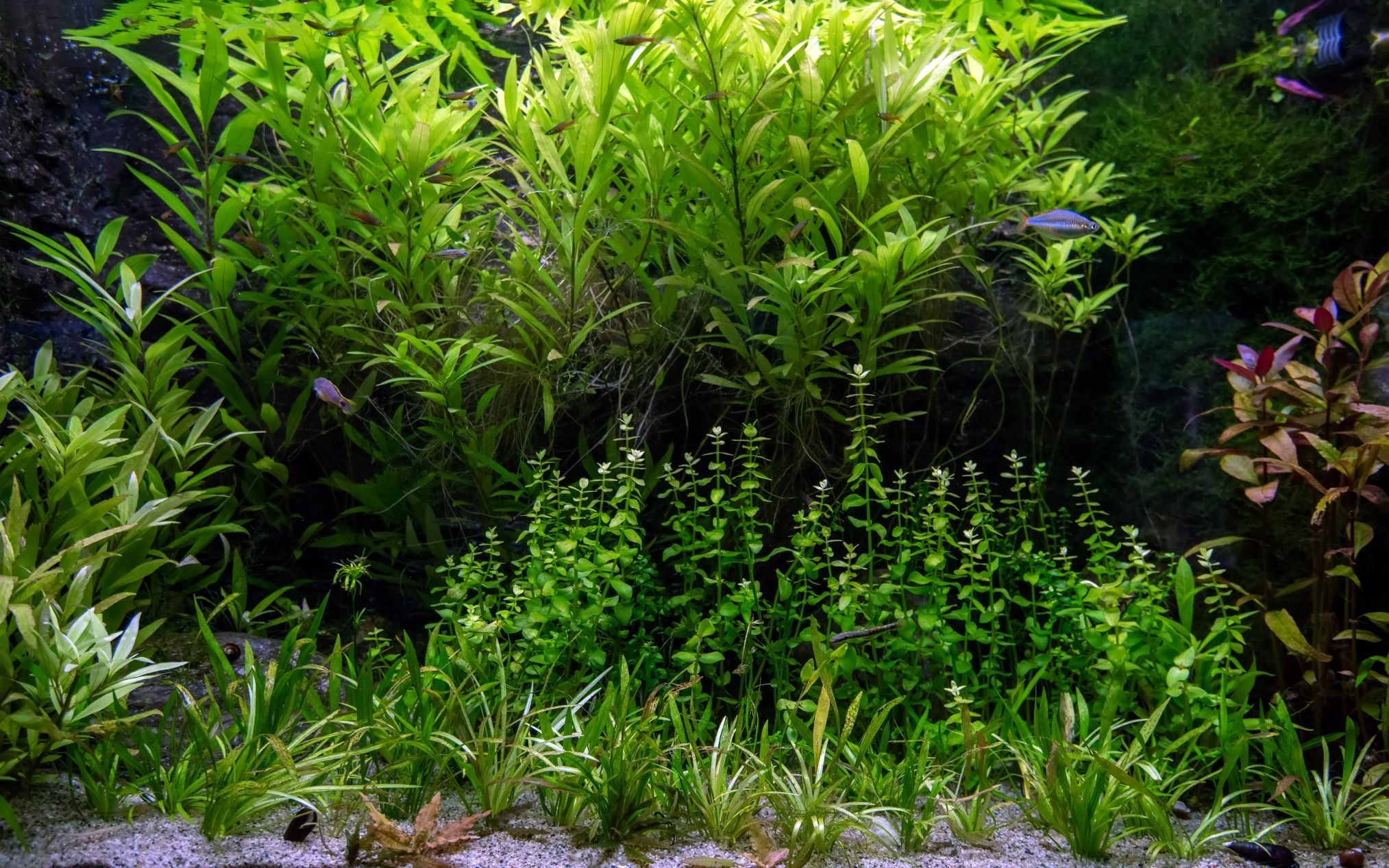
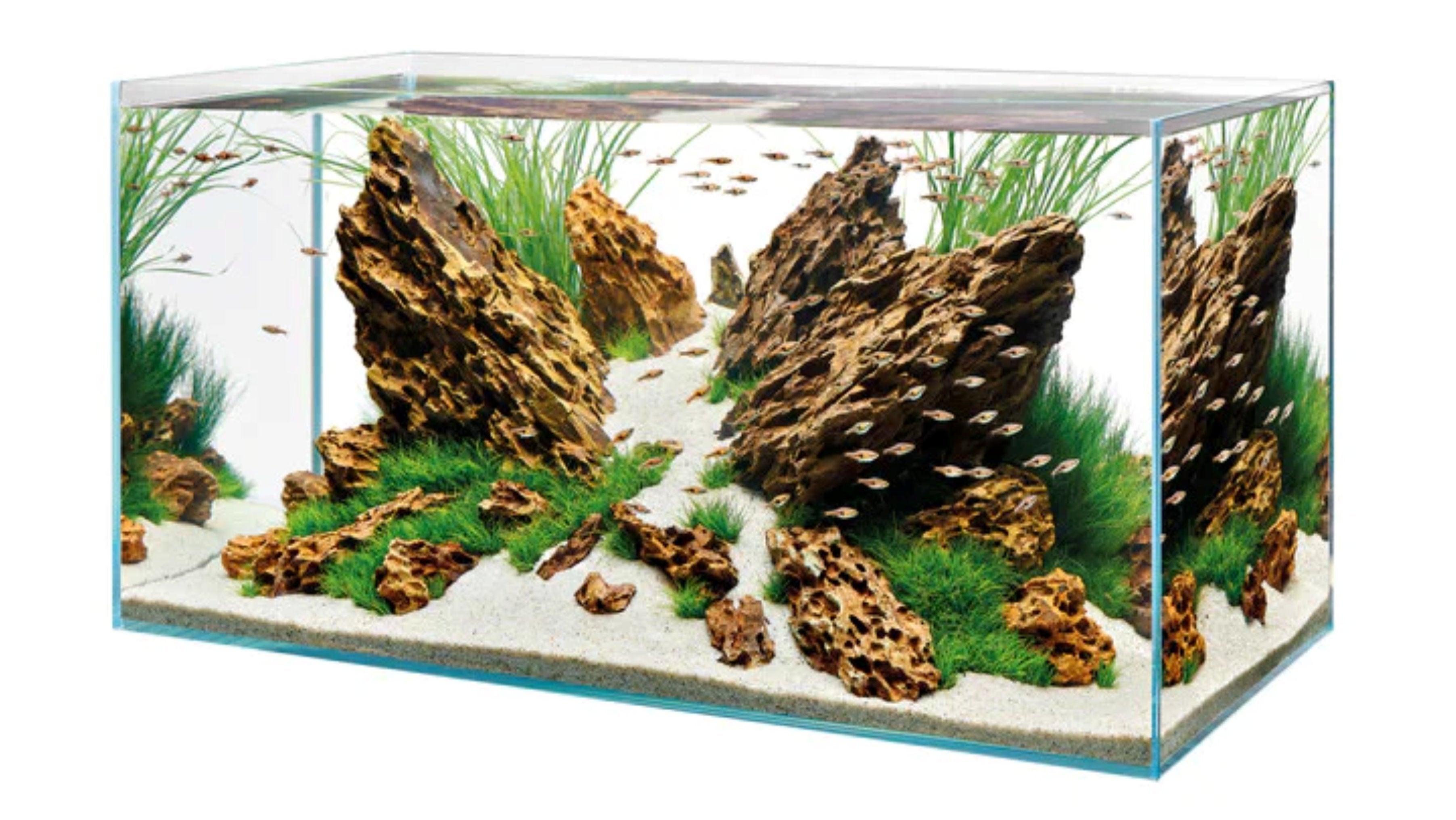
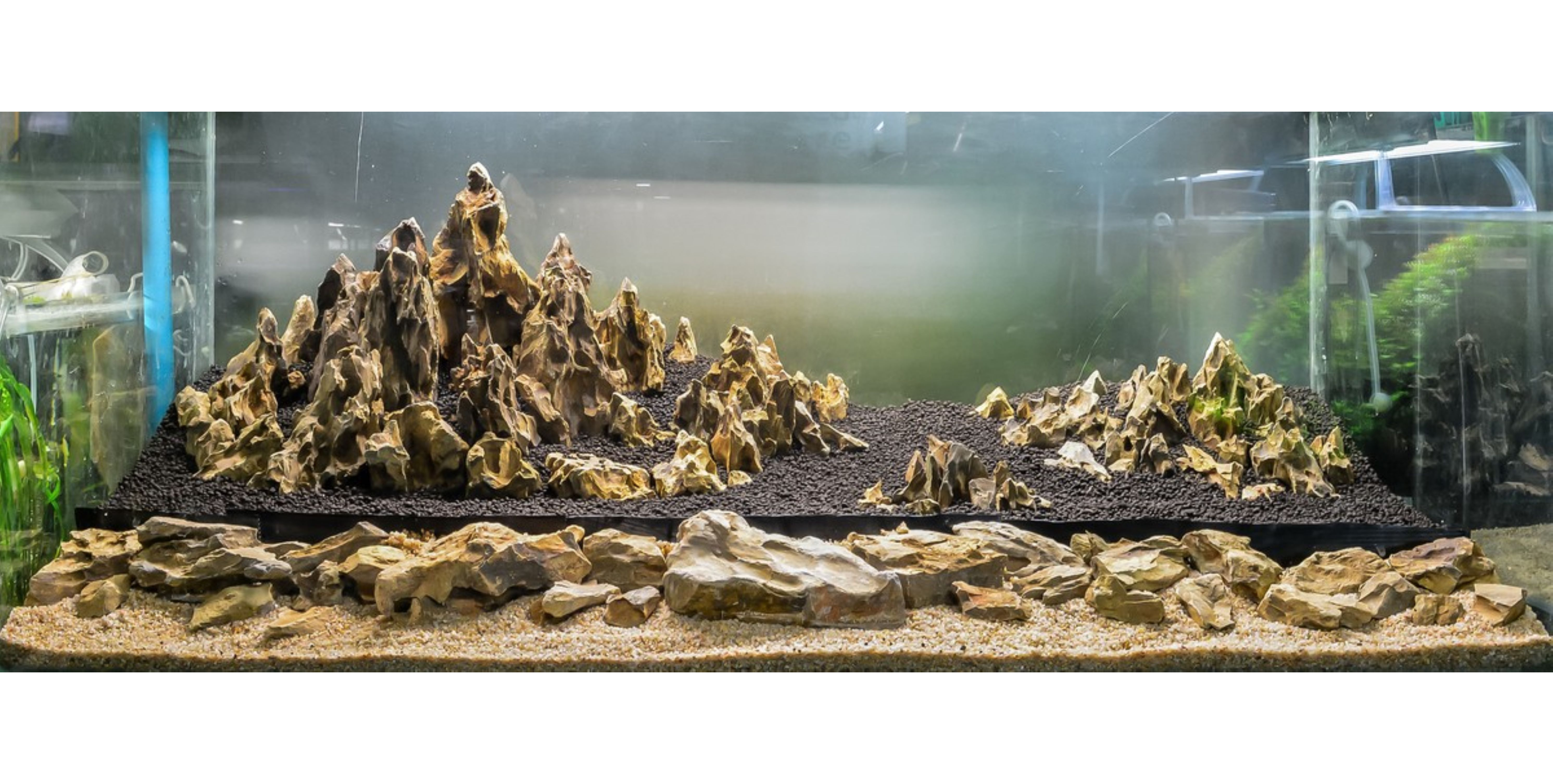
Few plants create as dramatic a visual impact as a mature dwarf hairgrass carpet. It’s a favorite in Iwagumi and nature-style aquascapes because of its soft texture and bright green color. Its fine blades help blend hardscape elements like stone and driftwood, giving your tank a cohesive, natural appearance.
Improves Water Chemistry
As a root-feeding plant, dwarf hairgrass absorbs ammonia, nitrate, and phosphate from the substrate and water column. This helps stabilize your tank environment and reduces the likelihood of algae outbreaks.
Provides Habitat for Small Fish & Shrimp
The carpeting effect creates safe hiding spots for shrimp fry, baby fish, and timid species. It also reduces stress, promoting healthier behavior.
Low Maintenance After Establishment
Once rooted and spreading, dwarf grass aquarium plants require minimal trimming and adapt easily to most tank conditions. It's a long-term, low-maintenance solution that only needs occasional fertilizing and trimming.
Create Ideal Environments for Dwarf Hairgrass
Tank Size
While miniature dwarf hairgrass grows even in 5-gallon nano tanks, larger aquariums (10–40 gallons) provide the best aesthetic impact. In a tank under 10 gallons, carpets spread more slowly due to limited oxygen circulation and nutrient supply. For beginners, 10–20 gallons is ideal.
Lighting
Lighting is one of the most important factors in creating a successful dwarf hairgrass carpet. Aim for 6–8 hours of medium to high-intensity lighting daily. Full-spectrum LED aquarium lights work best for vibrant coloration and steady growth.
- Low light: Tall, thin growth, slower spreading
- Medium light: Healthy growth, moderate spread
- High light: Fast carpeting, dense, compact blades
Water Parameters
Dwarf Hairgrass adapts to a range of freshwater conditions but thrives in stable, tropical environments. Consistent water parameters are crucial. Rapid changes or poor CO₂ levels can cause melting. Ideal parameters:
- Temperature: 68–82°F (20–28°C)
- pH: 6.5–7.5
- Hardness: Soft to medium
- CO₂: Optional but highly recommended for carpeting
Substrate
As a root-feeding plant, dwarf hairgrass grows best in nutrient-rich aquasoil, fine sand with root tabs, and small-grain planted substrates. Avoid large gravel that prevents root spreading. Mini dwarf hairgrass spreads through runners, and a soft substrate encourages quick propagation.
Water Flow
Moderate water flow helps deliver nutrients and CO₂ to the plant. It also keeps debris from clogging the carpet. Use a gentle filter outlet to ensure circulation without uprooting the plants.
How to Plant Dwarf Hairgrass
Planting dwarf hairgrass correctly is key to achieving a clean and even carpet. Following these steps will help your dwarf hairgrass aquarium carpet begin spreading within weeks.
- Divide into small clumps: Cut a full pot into 10–20 tiny plugs for faster spreading.
- Use long aquascaping tweezers: Insert each clump ½–1 inch deep into the substrate.
- Space 1–2 inches apart: Closer spacing creates faster carpet formation.
- Avoid burying the blades: Only the roots should be under the substrate.
- Mist and fill slowly: When planting a dry-start or newly scaped tank, fill the tank with water gently to avoid uprooting.
Do Dwarf Hairgrass Need Fertilizer?
Fertilization is essential for optimal dwarf hairgrass care, as healthy carpets form when roots have access to a consistent supply of nutrients. Using root tabs for sand or inert substrates is recommended, along with liquid fertilizers that contain nitrogen, potassium, and essential micronutrients. To achieve vibrant green coloration, iron supplements can be beneficial. Additionally, injecting CO₂ can accelerate the carpeting process by 2–3 times. It's important to be aware of signs of nutrient deficiency, which can include yellowing tips, slow growth, sparse carpeting, and brown patches. Addressing these nutrient requirements is crucial to maintaining a lush and thriving dwarf hairgrass setup.
How to Propagate Dwarf Hairgrass
Propagation is simple, making dwarf hairgrass care very beginner-friendly. Dwarf hairgrass spreads horizontally through runners beneath the substrate. New shoots (baby plants) emerge next to the parent plant and continue spreading outward. Within 4–8 weeks, you’ll see significant carpeting progress. To encourage propagation:
- Provide strong lighting
- Use CO₂ for faster growth
- Add root tabs to nutrient-poor substrates
- Trim the tips occasionally to stimulate thicker growth
Safe Tank Mates for Dwarf Hairgrass
Best Tank Mates Include:
- Cherry Shrimp, Amano Shrimp
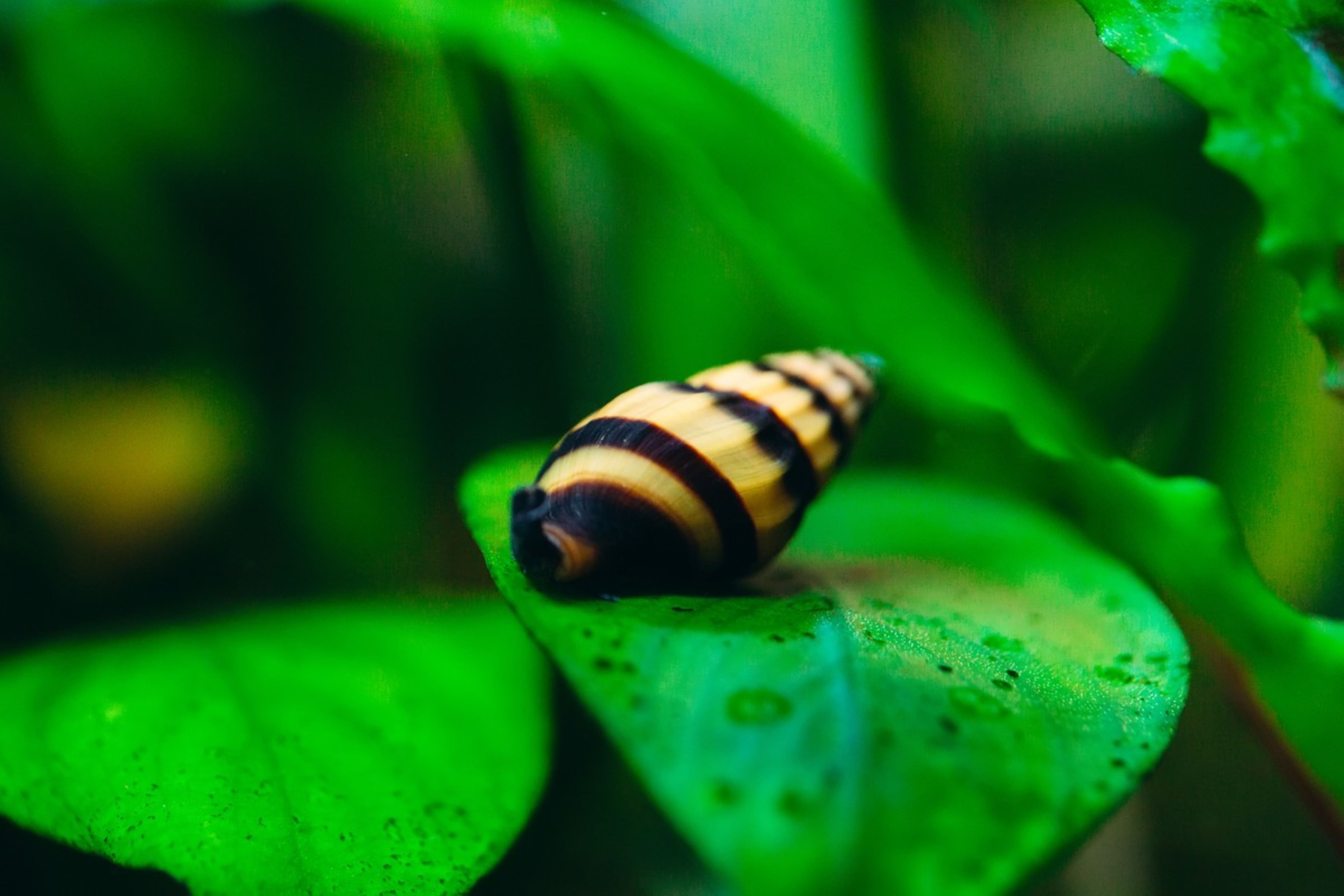
- Nerite Snails, Mystery Snails
- Corydoras
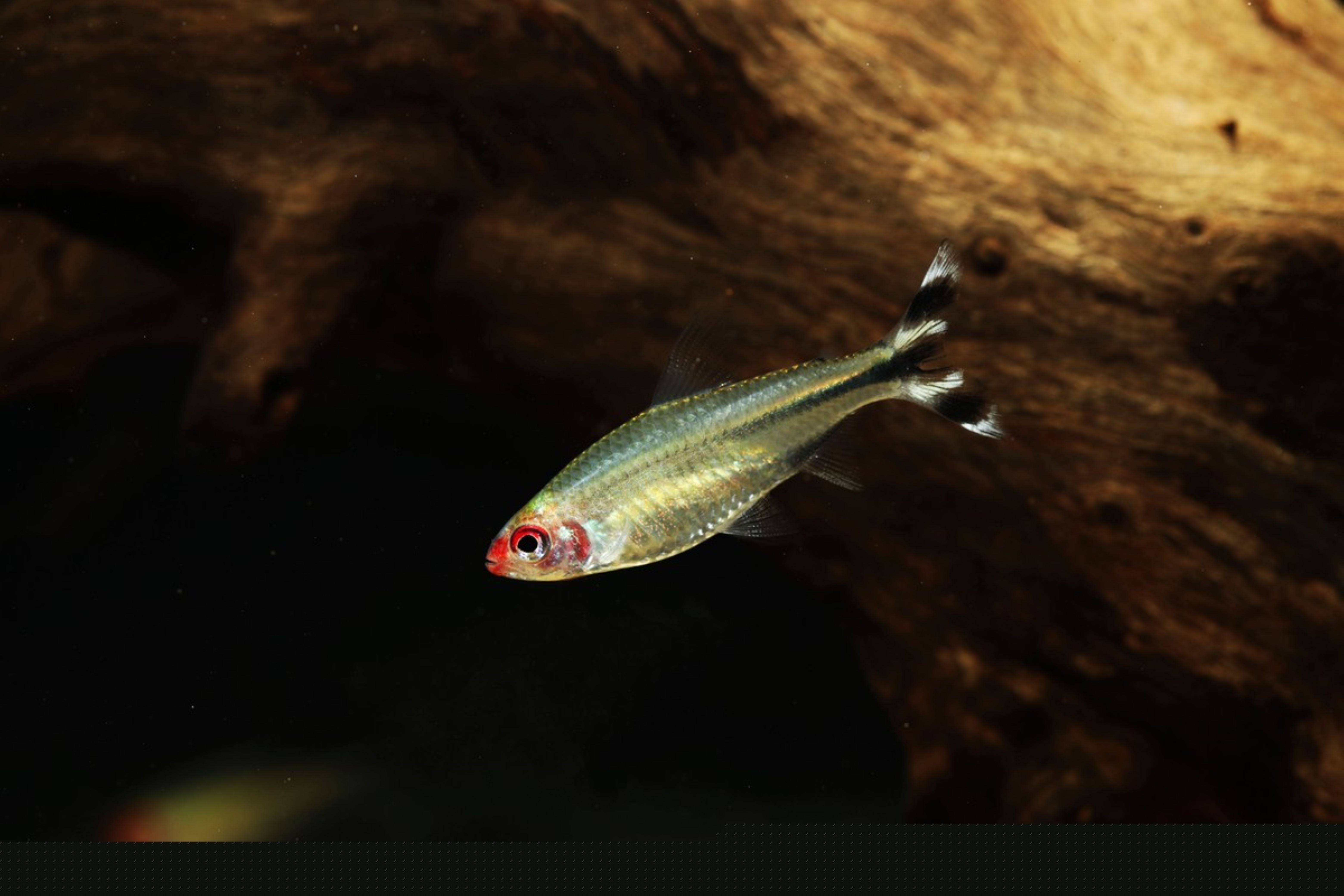
- Rasboras, Tetras, Guppies
- Otocinclus
Avoid These Tank Mates:
- Goldfish
- Large cichlids
- Plant-eating fish (Silver Dollars, some Loaches)
These species may uproot or eat mini dwarf hairgrass, preventing a successful carpet.
Conclusion
Dwarf Hairgrass is one of the most rewarding plants for creating a lush, natural-looking aquascape. With the right lighting, substrate, and care routine, it forms a stunning dwarf hairgrass carpet that enhances tank health and aesthetics. Whether you’re designing a peaceful shrimp tank or a high-tech planted scape, this versatile plant adapts beautifully.
At Splashy Fish aquarium store, we offer a wide range of Dwarf Hairgrass for sale and other aquatic plants for sale. Visit us to buy them online or at our local fish store in Virginia for other betta fish for sale, freshwater fish for sale, invertebrates for sale, and aquarium supplies.
Dwarf Hairgrass Care Frequently Asked Questions (FAQs)
How fast does Dwarf Hairgrass spread?
With high light and CO₂, dwarf hairgrass spreads within 4–8 weeks. In low-tech tanks, it may take 2–3 months. Growth speed depends heavily on nutrient-rich substrate and trimming routine.
Can I Dwarf Hairgrass grow without CO2?
Yes, dwarf hairgrass can grow without CO₂, but the carpet will spread more slowly and less densely. CO₂ dramatically improves growth speed, root health, and carpeting thickness. For low-tech tanks, ensure good lighting and regular fertilization.
Can I grow Dwarf Hairgrass in sand?
Absolutely! Dwarf hairgrass grows well in sand as long as you provide root tabs for nutrients. Sand supports excellent runner propagation. Just ensure consistent fertilization to prevent yellowing or stunted growth.