



Table of Contents
If you’ve ever wanted an aquatic plant that looks like soft, tangled green lace, yet behaves like one of the easiest “moss-like” plants in the hobby, Subwassertang is a perfect choice. Often sold as subwassertang moss, this unique plant is famous for thriving in low-tech tanks, shrimp tanks, and nano aquascapes while providing incredible texture and shelter. In this guide, you’ll learn everything needed for successful subwassertang care: the ideal tank setup, lighting, water parameters, planting methods, fertilization, propagation, and how to use it as a subwassertang carpet or shrimp-friendly plant wall. Let’s dive in with us now!
Overview of Subwassertang
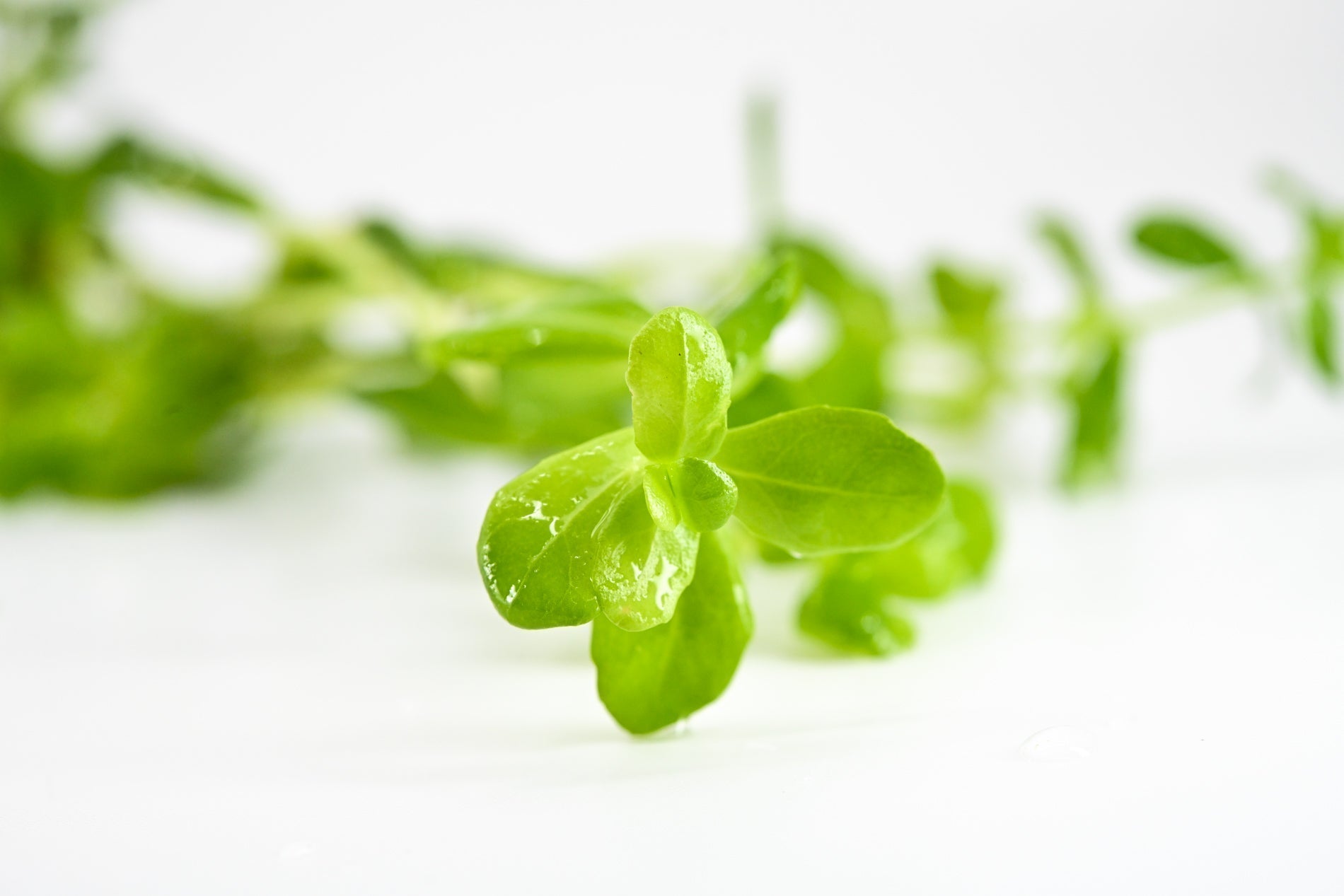
Subwassertang (Lomariopsis lineata), also spelled as Susswassertang or Süßwassertang (German spelling), is a soft, feathery, moss-like aquarium plant that forms dense mats of green fronds. It’s commonly used in freshwater aquariums as a foreground accent, moss substitute, shrimp hiding area, or a “floating plant mass” that collects biofilm.
What makes Subwassertang special is its versatility. It can be wedged into hardscape, tucked into cracks, tied to mesh, or simply allowed to grow in loose clumps. Unlike many delicate plants, it doesn’t require nutrient-rich substrate or high light, which is why it’s a favorite in shrimp tanks and beginner planted aquariums.
It also holds up well in tanks where other plants struggle, like low-light setups, fish breeding tanks, and aquariums where you want a “natural jungle” look without intensive trimming.

Benefits of Subwassertang
Subwassertang has both aesthetic and functional benefits, which is why it’s one of the most popular plants for shrimp-focused tanks and low-tech aquascapes.
- Perfect hiding and nursery plant: Dense growth protects shrimp babies and fish fry, improving survival rates.
- Biofilm magnet: Its texture collects microfood and biofilm which is ideal for shrimp grazing.
- Low light friendly: Great for tanks without strong lighting or CO₂ injection.
- Easy placement: No rooting required. Use it on wood, rocks, mesh, or let it float.
- Great for “carpet” effect: With time and trimming, you can form a soft subwassertang carpet in the foreground.
- Low maintenance aesthetic: Creates a lush, premium look with minimal effort.
Create Ideal Environments for Subwassertang Aquarium Plant
Tank Size
Subwassertang can thrive in almost any tank size, from nano tanks to large community aquariums. In smaller tanks (5–10 gallons), it’s a popular choice because it adds volume and texture without taking up planting space. In larger tanks, it works well as a moss-like accent across hardscape or as a nursery “plant bed” for shrimp and fry.
Lighting
Lighting requirements are one of the reasons subwassertang care is beginner-friendly. It grows well in low to medium light, and it doesn’t demand intense lighting the way many carpeting plants do. A consistent 6–8 hour light schedule is ideal. Too much light can encourage algae to cling to the fronds, especially if the tank has excess nutrients.
- Low light: slow but steady growth, darker green tone
- Medium light: faster growth, fluffier texture
- High light: faster growth, but can collect algae if nutrients are unbalanced
Water Parameters
- Temperature: 68–78°F (20–26°C)
- pH: 6.0–7.8
- GH/KH: soft to moderately hard
- Ammonia/Nitrite: 0 ppm
- Nitrate: kept stable and not excessively high
Substrate
Subwassertang does not require a substrate because it doesn’t root like typical plants. You can use sand, gravel, aquasoil, or even a bare-bottom tank. This makes it ideal for breeding tanks and shrimp tanks where substrate choices vary widely.
Water Flow
Moderate flow helps keep Subwassertang cleaner and healthier. Gentle water movement prevents debris from building up inside the plant mass and improves oxygen exchange around the fronds. When the flow is too weak, Subwassertang can trap debris and look “dirty.” In contrast, when the flow is too strong, it can break apart and float around the tank. A balanced flow that gently moves the fronds is ideal.
How to Plant Subwassertang in Aquarium?
Subwassertang is one of the easiest aquarium plants to “plant” because it doesn’t need to be rooted. Instead, you position it where you want it to grow.
Common methods:
- Tuck into hardscape cracks: Wedge small clumps between rocks or wood.
- Tie to mesh or decor: Use cotton thread or aquarium-safe mesh for carpets and walls.
- Use plant weights: If you want it near the bottom without attaching it.
- Let it float: Floating Subwassertang grows and collects biofilm for shrimp grazing.
If you want a neat subwassertang carpet, the best approach is to spread a thin layer over mesh and place it on the substrate. As it thickens, trim the top to keep the carpet compact and even.
Do Subwassertang Need Fertilizer?
Subwassertang doesn’t require heavy fertilization, but it benefits from stable nutrients, especially in very clean or lightly stocked tanks. In most aquariums, it grows well with: Fish waste nutrients (natural fertilization), occasional liquid fertilizer (low dose), and stable CO₂ (optional, not required)
How to Propagate Subwassertang
Propagation is simple: Subwassertang grows by expansion, and you multiply it by dividing it. To propagate:
- Pull apart a healthy clump into smaller sections.
- Place the new pieces where you want them to grow.
- Give them a gentle flow and stable light.
Over time, the sections thicken and merge. Regular trimming encourages denser growth and helps maintain shape, especially if you’re forming a carpet or wall.
Conclusion
Subwassertang is one of the most versatile and beginner-friendly aquarium plants available. It thrives in low-tech tanks, creates beautiful texture, supports shrimp and fry survival, and can be shaped into a soft subwassertang carpet with minimal effort. Whether you’re building a shrimp tank, a breeding setup, or a lush natural aquascape, the subwassertang aquarium plant delivers high visual impact with low maintenance.
At Splashy Fish, in addition to Subwassertang, we offer a wide range of other aquarium plants for sale. Visit us to buy them online or at our local fish store in Virginia for betta fish, freshwater fish, invertebrates, and aquarium supplies.
FAQs
Are Subwassertang moss plants?
Subwassertang is often called subwassertang moss because it looks and behaves like moss, but it isn’t a true moss species. It grows in similar clumps and provides similar benefits for shrimp and fry. In aquariums, it’s used like moss even if it’s botanically different.
How often should I fertilize Subwassertang?
Most tanks only need light fertilization 1–3 times per week, especially if fish are already providing nutrients. In heavily planted tanks, a low-dose daily routine also works well. Avoid overfertilizing because algae can cling to the fronds.
Can Subwassertang grow in low light?
Yes, Subwassertang grows very well in low light, which is why it’s popular for shrimp tanks and beginner setups. Growth will be slower, but it remains healthy and green. Medium light speeds up growth and creates a fluffier texture.